Modern Vehicle Key Technology for Logistics Operations
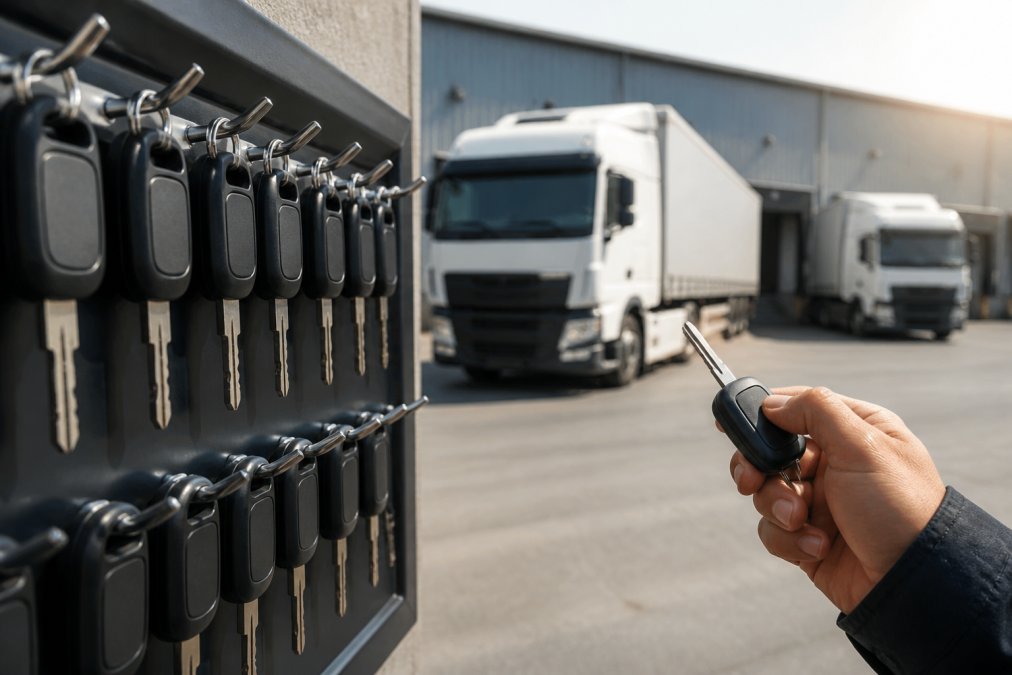
Vehicle key technology logistics: Professional vehicle key technology solutions for logistics operations. Explore fleet management, security, and modern.
Table of Contents
- Why Modern Vehicle Key Technology Matters in Logistics
- Fleet Vehicle Key Management Best Practices
- Reducing Fleet Downtime with Locksmith Support
- Hardware-Software Interoperability in Fleet Key Systems
- How to Manage Fleet Key Fob Replacement
- Cybersecurity and Access Control for Vehicle Fleets
- Choosing Professional Locksmith Support for Modern Vehicles
- Frequently Asked Questions
Last Updated: September 3, 2026
Why Modern Vehicle Key Technology Matters in Logistics
Fleet managers face a critical challenge: vehicle downtime costs money. When a driver loses a key, gets locked out, or experiences key fob failure, operations stall. Modern vehicle key technology has evolved into sophisticated systems that integrate with fleet management software, telematics platforms, and access control infrastructure.
Today's vehicles use encrypted key fobs, proximity sensors, and computer-controlled ignition systems requiring specialized knowledge to program or troubleshoot. A 2023 Fleet Management Institute study found that unplanned vehicle downtime accounts for significant operational losses (peer-reviewed research). Professional assistance with modern vehicle key technology becomes essential because a poorly programmed key fob can corrupt a vehicle's ECU, rendering it inoperable until dealership repairs are completed. Unauthorized key duplication creates security risks, and inconsistent key management leads to lost inventory and compliance issues.
At Lock it All Locksmithing, we understand that fleet operations can't afford delays. The difference between calling a general locksmith and working with fleet key specialists often comes down to avoiding costly mistakes that damage vehicle electronics or create security vulnerabilities.
Fleet Vehicle Key Management Best Practices
Effective fleet vehicle key management starts with treating keys as critical assets. Track every key, key fob, and spare using a documented system that records which driver has which key and when keys are issued or returned. Digital key tracking systems integrate with your fleet management software, creating a single source of truth for vehicle access.
Standardization reduces complexity. If your fleet uses multiple vehicle manufacturers with incompatible key systems, consolidate where possible to simplify training, reduce specialized tools, and make emergency replacement faster.
Preventive maintenance matters. Key fob batteries typically last two to four years. Inspect fobs regularly and replace batteries before they fail in the field. Maintain records of every key replacement, fob programming session, and lock rekeying to prove chain of custody and identify failure patterns.
Secure key storage protects your fleet. Keys should be stored in a locked cabinet with access limited to authorized personnel. For high-value vehicles, implement a key checkout system where drivers sign for keys and return them at shift end.
Reducing Fleet Downtime with Locksmith Support
Vehicle downtime has direct costs: lost delivery hours, delayed shipments, and operational inefficiency. Professional locksmith support designed for fleet operations reduces downtime by addressing key problems quickly and correctly.
A locksmith specializing in fleet vehicle key technology can often resolve problems quickly because they carry diagnostic equipment, programming tools, and key blanks on their service vehicles. When a key fob won't program, an inexperienced technician might corrupt the vehicle's computer system, while a professional locksmith knows the correct programming sequence and performs it once correctly.
Preventive locksmith visits reduce emergency calls. Schedule regular key maintenance: inspect fobs for wear, test backup keys, replace aging batteries, and verify spare keys are functional. These visits cost far less than emergency service calls.
Professional locksmiths handle the complexity of modern vehicle security systems, including anti-theft systems, immobilizers, and remote start capabilities integrated with key systems. Attempting replacement without this expertise can trigger security lockouts or disable features. Documentation from professional locksmith services supports your fleet operations and integrates with fleet management systems.
Hardware-Software Interoperability in Fleet Key Systems
Modern vehicle key systems are integrated computer systems where the physical key, key fob, ignition system, and vehicle computer communicate through encrypted protocols. Each vehicle manufacturer uses different encryption standards, frequency bands, and programming protocols.
Hardware-software interoperability challenges emerge when integrating fleet key management with your logistics software ecosystem. Your fleet management platform tracks vehicle location, fuel consumption, and maintenance. Your access control system manages vehicle access. Your telematics system collects real-time data. The key system must work seamlessly with all of these.
Professional locksmiths working with fleet operations understand these integration points. When programming a replacement key, they ensure it integrates properly with your access control, doesn't trigger false security alerts, and works with remote start systems. Some fleet operations implement digital key systems where smartphones replace traditional fobs, requiring even more sophisticated integration. Poor interoperability creates cascading problems: keys that work for starting but not unlocking, keys that accidentally work on multiple vehicles, or keys that don't integrate with telematics systems.
How to Manage Fleet Key Fob Replacement
Key fob replacement in a fleet context requires coordinated management of inventory, programming, security, and documentation.
Identify which fobs need replacement by inspecting them during regular maintenance. Test every button, verify range, and check for physical damage. Inspect fobs that are starting to fail before they fail during critical operations.
Source replacement fobs that match your exact vehicle year, make, and model. An incorrect fob won't program correctly or will program only partially. Professional locksmiths maintain inventory of genuine and compatible fobs for common fleet vehicles, sourcing them quickly rather than waiting for dealership orders.
Programming is critical. Modern key fobs use encrypted codes that must be programmed into the vehicle's receiver module (nhtsa.gov). The process varies by manufacturer and requires diagnostic equipment and technical knowledge. A professional locksmith performs programming correctly the first time and verifies that all buttons function and the vehicle's security system recognizes it.
Record which vehicle each fob is for, which driver received it, when it was programmed, and which locksmith performed the work. This creates accountability and helps identify patterns. Consider implementing a fob replacement schedule based on typical failure rates rather than replacing fobs only when they fail.
Cybersecurity and Access Control for Vehicle Fleets
Fleet vehicle key technology has become a cybersecurity concern. Modern vehicles communicate wirelessly and integrate with fleet management networks. A compromised key system creates a pathway for unauthorized vehicle access or data theft.
Key cloning is a real threat. Sophisticated attackers can capture RF signals from legitimate key fobs and create unauthorized fobs that function identically to legitimate keys (cisa.gov). This is particularly concerning for high-value cargo.
Professional locksmiths ensure replacement keys use current encryption standards, old keys are properly deactivated when new ones are issued, and key management practices don't create vulnerabilities. When a driver loses a key, a professional locksmith can immediately deactivate that key in the vehicle's system.
Access control integration is critical. Your fleet management system should track which driver has which key, which vehicles they're authorized to access, and when they accessed those vehicles. Rekeying changes lock cylinders so old keys no longer work, which is necessary if a key is lost, a driver is terminated, or unauthorized duplication is suspected.
Data security in key programming is often overlooked. When a locksmith programs a key, they access the vehicle's computer system. Professional locksmiths follow security protocols: they use isolated diagnostic tools, don't connect vehicles to unsecured networks, and maintain detailed access records for audit purposes.
Choosing Professional Locksmith Support for Modern Vehicles
Selecting the right locksmith for your fleet requires more than finding someone who can cut a key. You need a professional who understands modern vehicle systems, has fleet operations experience, and can integrate with your existing logistics infrastructure.
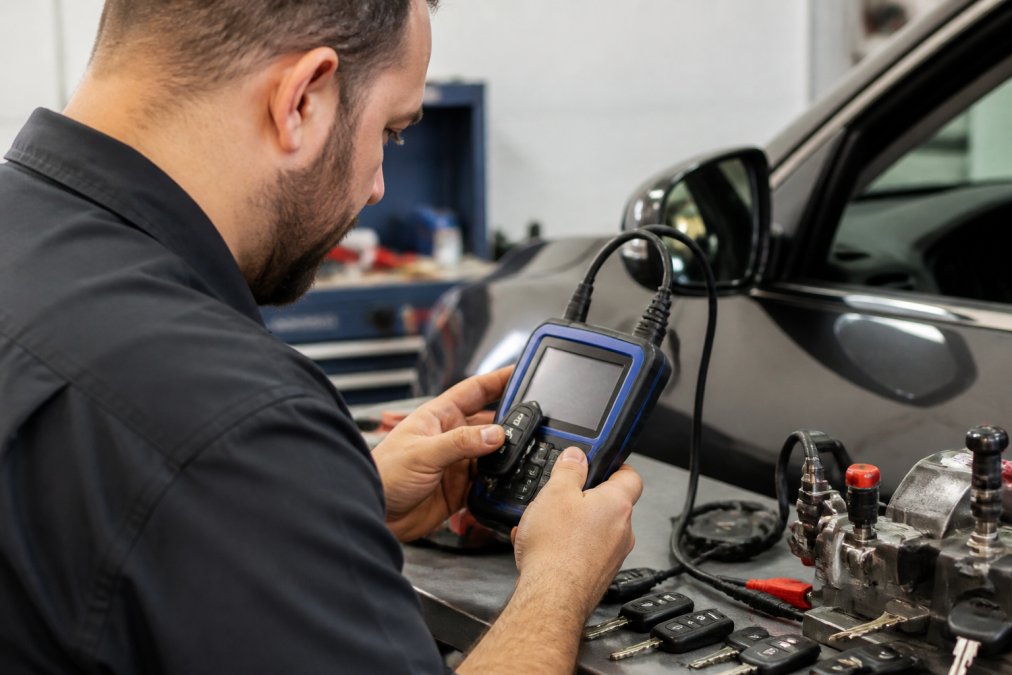
Specialization matters. A general locksmith handling residential locks and occasional car keys isn't equipped for fleet vehicle key technology. You need someone specializing in automotive work, specifically fleet operations, with diagnostic equipment for multiple manufacturers and experience troubleshooting complex vehicle access systems.
Verify credentials and training. Ask about certifications in automotive locksmithing, such as those from the Associated Locksmiths of America (ALOA). Ask which vehicle manufacturers they're certified for and which diagnostic tools they use.
Experience with fleet operations is crucial. Fleet locksmiths must understand logistics operations, downtime costs, response time importance, and documentation requirements. They should discuss key inventory management, preventive maintenance programs, and software integration.
Response time and availability matter. Ask about emergency service availability and whether they have mobile units equipped with diagnostic equipment. A locksmith arriving quickly and resolving issues on-site is far more valuable than one taking several hours.
Ask about their approach to modern vehicle systems. A professional should explain how they handle encrypted key programming and avoid corrupting vehicle electronics. Request references from other fleet operations to verify reliability and quality.
Lock it All Locksmithing specializes in fleet vehicle key technology and understands the unique demands of logistics operations. We have experience with modern vehicle systems, diagnostic equipment for multiple manufacturers, and the ability to respond quickly. We provide detailed documentation integrating with your fleet management requirements.
Pricing should reflect expertise. A locksmith charging significantly less might be cutting corners on quality or using inferior parts. Professional vehicle key technology requires investment in tools and training.
Modern vehicle key technology for logistics operations isn't just about replacing a lost key. It's about managing a critical asset that directly impacts your fleet's availability, security, and operational efficiency. The complexity of today's vehicle systems means professional assistance is essential.
Lock it All Locksmithing provides comprehensive fleet locksmith services, from emergency key replacement to preventive maintenance programs to cybersecurity integration. Our team understands vehicle key technology, fleet operations, and the cost of downtime. Call 615-810-7304 to discuss how professional locksmith support can improve your fleet's key management and reduce operational disruptions.
Frequently Asked Questions
Q: How does modern vehicle key technology improve fleet management efficiency?
A: Modern vehicle key technology integrates with telematics and access control systems, enabling real-time tracking, remote vehicle management, and automated key assignment. This reduces operational delays, prevents unauthorized access, and streamlines logistics operations. Professional locksmith support ensures these systems integrate correctly with your fleet's existing infrastructure, minimizing downtime and improving delivery accuracy.
Q: What should logistics managers look for in a professional automotive locksmith partner?
A: Choose a locksmith with expertise in fleet vehicle key management, hardware-software interoperability, and modern key fob programming. They should understand your specific vehicle models, offer scalable solutions for your fleet size, and provide cybersecurity measures for access control. Verify they can handle emergency key replacement without causing ECU damage or compromising your vehicles' computer systems.
Q: How can professional key fob replacement reduce vehicle downtime in logistics?
A: Professional key fob replacement through a qualified locksmith eliminates delays associated with dealership wait times, which can span days or weeks. A locksmith can reprogram or replace keys on-site, restoring vehicle access immediately. This is especially critical in supply chain management where every hour of vehicle downtime impacts shipment visibility, delivery schedules, and overall operational efficiency.
Q: What are the cybersecurity risks of improper fleet key management?
A: Poor key management creates vulnerabilities in fleet security, allowing unauthorized access to vehicles and cargo. Inadequate access control systems can be compromised, exposing your logistics infrastructure to theft or data breaches. Professional locksmith support ensures proper keyless entry system installation, secure key storage protocols, and cybersecurity measures that protect both your vehicles and sensitive shipment information.
Why Nashville drivers choose Lock it All Locksmithing
We are a locally owned, licensed and insured mobile locksmith serving Nashville and the surrounding Middle Tennessee communities. You speak directly with the technician who does the work, get an honest price before we dispatch, and we arrive in a fully stocked service vehicle so most jobs finish in a single visit — usually within 20 to 45 minutes of arriving. No towing, no dealership appointment, no surprise fees.
How the visit works
- Tell us the details: call, text or send the quote form with your vehicle's year, make and model, or a description of your lock problem.
- Get an exact price: we quote parts, cutting, programming and travel up front.
- We come to you: our mobile workshop meets you at home, work or roadside.
- Done on the spot: keys are cut, programmed and tested with you before we leave.
Areas we serve
Nashville, Murfreesboro, Franklin, Hendersonville, Smyrna, La Vergne, Antioch, Brentwood, Mount Juliet, Lebanon and the surrounding towns across Middle Tennessee.
What our customers say
- "Fast, professional and honest — had a new key for my truck programmed in under half an hour." — Adrian Fiorito, 5 stars.
- "Great service and fair pricing. Came out same day and solved the problem right away." — George Yacoub, 5 stars.
- "Very knowledgeable and friendly. Highly recommend for anyone needing a locksmith in Nashville." — Jan Daoud, 5 stars.
Rated 5 stars across 100+ verified Google reviews. Call or text 615-810-7304 or email info@lia-locksmith.com.