5 Best Ways to Prevent House Lockouts in 2026
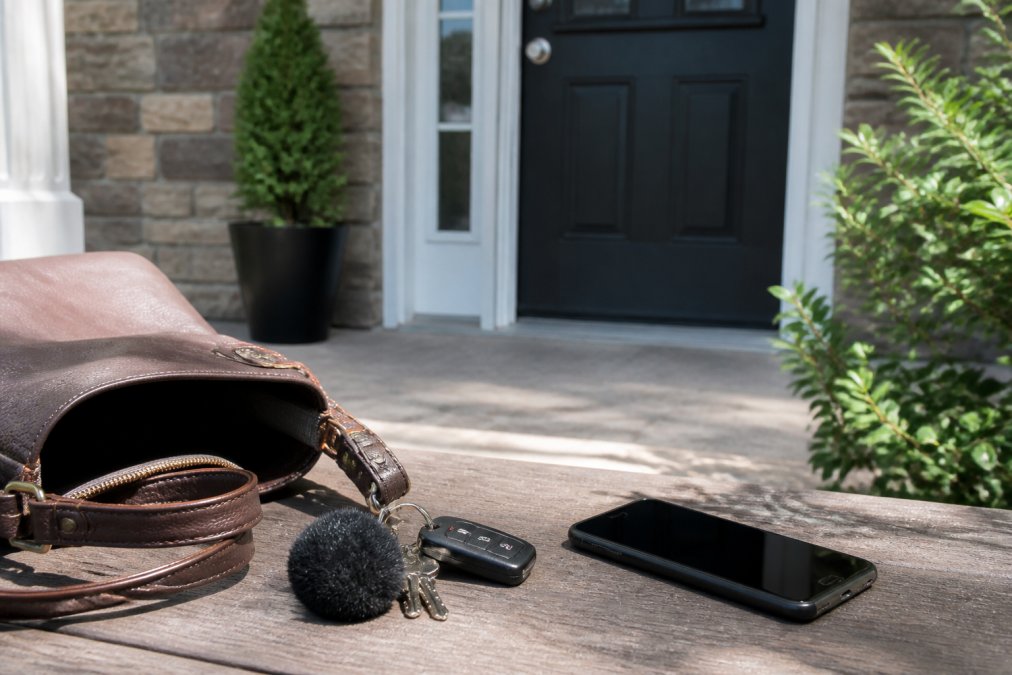
Discover the 5 best ways to prevent house lockouts, from smart locks to spare key strategies. Find practical tips to secure your home and avoid emergency.
Table of Contents
- Why Lockouts Happen and How to Stop Them
- 1. Install a Smart Lock for Keyless Entry
- 2. Use a Lockbox for Spare Keys
- 3. Build a Backup Plan with a Trusted Neighbor
- 4. Maintain Your Locks and Door Hardware
- 5. Make a Habit of Checking Your Keys
- How to Get Into a Locked House Without a Key
- Your Emergency Lockout Plan
- Frequently Asked Questions
Last Updated: September 6, 2026
Getting locked out of your own home is a security issue that leaves you exposed while you wait for help. The smarter approach is to prevent house lockouts through technology, backup planning, and habit changes. In this guide from Lock it All Locksmithing, we break down the five strategies that eliminate the most common causes of residential lockouts.
Why Lockouts Happen and How to Stop Them
Most lockouts stem from predictable human errors: a misplaced key, a door that swung shut behind you, or a key left inside on the counter. The solutions are behavioral and mechanical, not expensive overhauls.
The core principle of lockout prevention is redundancy: at least two independent ways to get inside that do not rely on remembering a single physical object. Pair a primary entry method, like a smart lock, with a secondary one, like a lockbox or a neighbor's spare key.
1. Install a Smart Lock for Keyless Entry
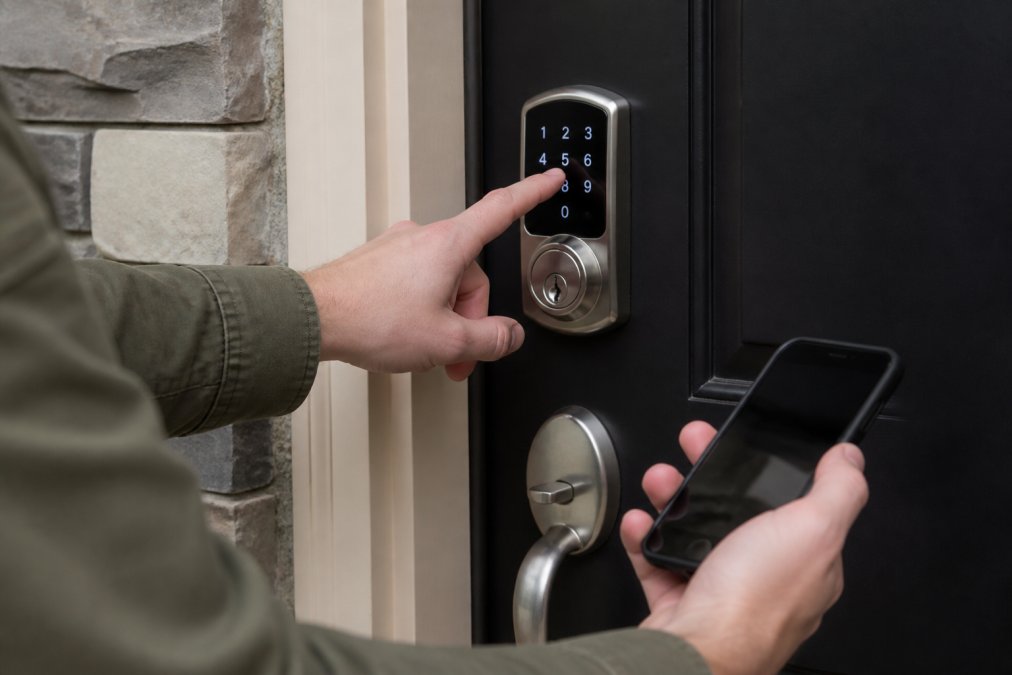
The single most effective way to prevent house lockouts is to eliminate the physical key from your daily routine. A smart lock with a keypad means your entry credential is a code you remember, not an object you can lose or forget.
For homeowners who want to keep their existing deadbolt, retrofit options like the August Wi-Fi Smart Lock attach to the interior side of the door and preserve the use of your current keys. This is a non-destructive installation that works well for renters. The tradeoff is that keyless entry depends on your smartphone being charged, so a physical key override is still a necessary backup.
What to Look for in a Smart Lock
Look for built-in Wi-Fi or a reliable hub so you can check door status and lock up remotely from your phone. This feature alone prevents the "did I leave the door unlocked?" anxiety that drives many people back home mid-commute.
Battery life is the hidden weakness of electronic locks. Choose a model that sends low-battery alerts to your phone, and always maintain a physical key override. The Schlage Encode Smart WiFi Deadbolt offers keypad entry, customizable user codes for guests, and mobile alerts.
2. Use a Lockbox for Spare Keys
If you are not ready for a smart lock, a lockbox is the most reliable physical backup. Hiding a key under the doormat or inside a fake rock is a security risk that burglars check first. A lockbox secures a spare key in a weather-resistant, combination-protected container near your entry point.
Portable options like the Master Lock Portable Lock Box attach to a fence or railing with a shackle. For a more permanent solution, the Kidde AccessPoint KeySafe mounts directly to your wall with a push-button combination interface, though installation requires drilling into your home's exterior.
Best Places to Hide a Spare Key
If you must store a spare key outdoors, placement matters as much as the container. Avoid under the mat, above the door frame, and inside fake rocks.
A better location is a lockbox mounted on the side of the house, behind a gate, or near a garage side door. Ensure the combination is not written on the box itself, and never label the lockbox with your address.
3. Build a Backup Plan with a Trusted Neighbor
Batteries die, and combinations get forgotten. A trusted neighbor holding a spare key is often the fastest solution to a residential lockout, creating a social safety net that does not depend on you having your key or your phone.
Choose a neighbor who is home during the hours you are typically away, and offer to hold their spare key in return. Just be certain the person is someone you trust implicitly, as they will have direct access to your home.
The Trust Criteria Most Homeowners Overlook
A reliable key-holding neighbor should meet four specific criteria:
- Physical proximity, Within a two-minute walk of your front door.
- Schedule overlap, Home during the hours you are typically away; a retiree or remote worker is ideal.
- Demonstrated reliability, A track record of following through on small commitments.
- No competing access, Avoid someone who already holds keys for three other neighbors.
The Reciprocity Agreement That Actually Works
A verbal "I'll hold yours if you hold mine" is fragile. Write a simple two-bullet agreement and exchange it with your neighbor:
- Authorized use: The key may only be used for lockout emergencies, not for routine access, pet sitting, or cleaning services unless explicitly requested.
- Notification duty: The holder must text or call you within five minutes of using the key, even if you are the one who requested it.
The Failure Point: What Happens When the Neighbor Isn't Home
Even the most reliable neighbor has a dentist appointment. The most effective structure is a three-tier access chain:
- Tier 1: Your smartphone app or lockbox code (self-service, no human needed).
- Tier 2: Your trusted neighbor with a physical key.
- Tier 3: A remote family member who has your smart lock's guest code or knows where the lockbox is mounted.
If Tier 2 fails, you simply move down the chain. This is the difference between a backup plan and one that works under pressure.
The Written Emergency Protocol
Before you hand over the key, walk through this three-step protocol together:
- Verify identity: You text them a one-time code word agreed on in advance. They do not unlock for anyone who cannot provide it, even if the person claims to be you.
- Unlock and re-secure: They enter, unlock the door from the inside, then immediately re-lock the deadbolt behind them.
- Confirm and log: They text you confirmation that the door is open and secured, and you confirm receipt.
When to Retire the Arrangement
Review your neighbor-key arrangement every six months. If your neighbor moves, your relationship sours, or you change your locks, retrieve the key immediately. Most locksmiths report that the majority of "break-in" calls they investigate turn out to be an old spare key never retrieved from a former neighbor, roommate, or contractor (locksmithledger.com).
4. Maintain Your Locks and Door Hardware
A lock that sticks or a deadbolt that fails to engage can cause a lockout when the door swings shut. Lubricate the lock cylinder and check the alignment of the strike plate every six months.
If a key is hard to turn or feels gritty, do not force it. The lock cylinder may need cleaning or replacement. Address it before it becomes an emergency.
5. Make a Habit of Checking Your Keys
The most effective habit is a simple pre-departure check: pat your pockets or check your bag for keys before you close the door. This two-second verification prevents the most common lockout scenario of all.
Attach the check to an action you already perform, like locking the door itself. Say it out loud if you have to: "Keys, phone, wallet." Designating a single spot at home for your keys, like a bowl or a hook by the door, reduces the chance of misplacing them.
Why "Just Remember" Fails: The Psychology of Automatic Behavior
Lockouts happen because your brain is on autopilot. When you leave the house thinking about a meeting or a flight, your working memory is full. The act of grabbing your keys and closing the door is processed by the basal ganglia, which handles routine behaviors without conscious thought.
The Key-Check Ritual: A Three-Second Interrupt
The most effective key-check ritual uses the door itself as the trigger:
- The Touch: As your hand touches the doorknob to leave, physically pat your pocket or the designated key compartment in your bag. Do not look, feel.
- The Sound: If you carry keys in a bag, give them a deliberate shake or jingle.
- The Lock: As you lock the door, say out loud, "Keys are in my hand." Speaking forces your brain to process the information verbally, creating a stronger memory trace than silent action.
This three-step ritual takes under three seconds and attaches the key check to the physical act of touching the door, a moment you cannot skip.
The Visual Cue Method: Design Your Entryway for Success
Your environment is a more reliable reminder than your memory. The most effective visual cues are placed at eye level, directly in your line of sight as you approach the door:
- A key hook mounted on the wall next to the door, not on the back of the door where it is hidden when the door is open. You should see the hook before you touch the doorknob.
- A small bowl or tray on a table within arm's reach of the door. The bowl should be empty except for your keys, do not use it for mail, loose change, or sunglasses, because clutter trains your brain to ignore it.
- A brightly colored keychain (orange, neon yellow, or red) that stands out against the bowl or hook. Color contrast draws your eye even when you are distracted.
The 30-Day Lockout Journal: Measure, Don't Guess
Most people only remember the times they actually got locked out, not the near-misses. To build a genuinely reliable habit, track the near-misses for 30 days.
Every time you realize your keys are not where they should be, log it with a one-word note: "kitchen counter," "bedroom," "coat pocket." After 30 days, review the log. Most people find keys are left in the same two or three places 80 percent of the time, telling you exactly where to place your designated key spot.
The Two-Key Rule for High-Risk Moments
Certain moments are statistically higher risk for lockouts: rushing out for an appointment, carrying groceries, and leaving the house while on the phone. The two-key rule is simple: keep a second key in your car's center console or in a magnetic holder inside your car door. If you lock your primary key inside the house, you can retrieve the car key and use it to enter through the garage or call a family member who has the house key.
The Habit Stacking Approach
Stack the key check onto an existing, unbreakable habit. For most people, that habit is locking the door. The sequence becomes: lock the door, then pat your pocket, then walk away. If you have a smart lock that auto-locks behind you, attach the key check to the sound of the door closing or the click of the deadbolt engaging.
How to Get Into a Locked House Without a Key
If you do find yourself locked out, check your smartphone app first if you have a smart lock. If you have a lockbox, retrieve the spare key. If a trusted neighbor has a key, that is your next call.
Attempting to pick the lock or force the door open can cause significant damage to your door hardware, which is more costly to repair than a professional service call. A credit card trick only works on spring latches, not deadbolts.
Your Emergency Lockout Plan
A complete strategy includes an emergency plan for when things still go wrong. This plan should be written down or saved in your phone, covering your backup entry methods and a professional contact.
Your plan should include the location of your lockbox code, the name and number of your trusted neighbor, and the phone number of a reliable locksmith service. AAA Premier Membership includes reimbursement for locksmith services at your primary residence, providing a financial safety net on top of your physical backups (aaa.com).
The table below summarizes the five prevention methods and their primary tradeoffs to help you decide which combination fits your home.
| Prevention Method | Best For | Key Tradeoff | Backup Required |
|---|---|---|---|
| Smart Lock | Eliminating lost-key scenarios | Battery dependency | Physical key override |
| Lockbox | Physical key storage | Remembering a combination | Secure mounting location |
| Trusted Neighbor | Fast, human emergency access | Requires high trust | Reciprocal arrangement |
| Lock Maintenance | Preventing mechanical failure | Requires regular attention | None, if maintained |
| Habit Checking | Stopping the most common cause | Requires consistency | None, if consistent |
Lockouts are the predictable result of a single point of failure in your entry strategy. By layering a smart lock or lockbox with a neighbor backup and a maintenance routine, you can reduce the chances of a lockout to near zero.
At Lock it All Locksmithing, we help homeowners across Tennessee secure their properties with expert residential, automotive, and commercial locksmith services. Whether you need a new smart lock installed, your locks rekeyed after a move, or a high-security system for your business, our team delivers reliable solutions. Call us at 615-810-7304 to get started with a security assessment of your entry points.
Frequently Asked Questions
What are the most common causes of residential lockouts?
Most lockouts come from simple daily habits: setting keys down inside and stepping out, closing the door on autopilot, or relying on a door that latches behind you. Deadbolts that require a key on the inside are a frequent culprit. Mechanical failure, like a worn lock cylinder or a broken key, also causes unexpected lockouts. Knowing the cause helps you pick the right prevention method, whether that's a smart lock, a lockbox, or a simple routine of checking your pocket before the door closes.
Is it better to leave a spare key with a neighbor or in a lockbox?
A lockbox is generally the more reliable option. A neighbor might move, forget they have the key, or be unavailable when you need them at 2 AM. A lockbox, like the Master Lock Portable Lock Box, stays where you put it and gives you 24/7 access as long as you remember the combination. If you prefer a neighbor, choose someone who is home often and test the arrangement by actually retrieving the key from them once to confirm it works.
How do smart locks help in preventing home lockouts?
Smart locks prevent house lockouts by removing the physical key from the equation. A keypad lock lets you enter a code to get in, so you never need to carry a key. Models like the Schlage Encode also let you lock and unlock remotely through an app, which helps if you leave and are not sure you locked the door. Many send low-battery alerts, so you can replace the power source before a mechanical failure leaves you stuck outside.
Can a professional locksmith help me prevent future lockouts?
Yes. A professional locksmith can perform a security audit of your home, identifying weak points in your door hardware and lock cylinders. They can rekey locks so old keys no longer work, install higher-security deadbolts, or set up a smart lock system. If you have just moved into a new home, having a locksmith change the locks ensures no one else has a key that could lead to an unauthorized entry or a lockout scenario where you cannot control access.
What should I do if I am locked out of my house?
First, check all doors and windows for one you left unlocked. If it is an emergency, such as a child or pet inside, call 911. Otherwise, contact a professional locksmith service. Avoid trying to pick the lock yourself or using tools to force the door open, as this often damages the lock or door frame. A locksmith can get you back in without causing damage and can also advise on upgrades to prevent the situation from happening again.
Why Nashville drivers choose Lock it All Locksmithing
We are a locally owned, licensed and insured mobile locksmith serving Nashville and the surrounding Middle Tennessee communities. You speak directly with the technician who does the work, get an honest price before we dispatch, and we arrive in a fully stocked service vehicle so most jobs finish in a single visit — usually within 20 to 45 minutes of arriving. No towing, no dealership appointment, no surprise fees.
How the visit works
- Tell us the details: call, text or send the quote form with your vehicle's year, make and model, or a description of your lock problem.
- Get an exact price: we quote parts, cutting, programming and travel up front.
- We come to you: our mobile workshop meets you at home, work or roadside.
- Done on the spot: keys are cut, programmed and tested with you before we leave.
Areas we serve
Nashville, Murfreesboro, Franklin, Hendersonville, Smyrna, La Vergne, Antioch, Brentwood, Mount Juliet, Lebanon and the surrounding towns across Middle Tennessee.
What our customers say
- "Fast, professional and honest — had a new key for my truck programmed in under half an hour." — Adrian Fiorito, 5 stars.
- "Great service and fair pricing. Came out same day and solved the problem right away." — George Yacoub, 5 stars.
- "Very knowledgeable and friendly. Highly recommend for anyone needing a locksmith in Nashville." — Jan Daoud, 5 stars.
Rated 5 stars across 100+ verified Google reviews. Call or text 615-810-7304 or email info@lia-locksmith.com.