How to Handle a Business Lockout Emergency
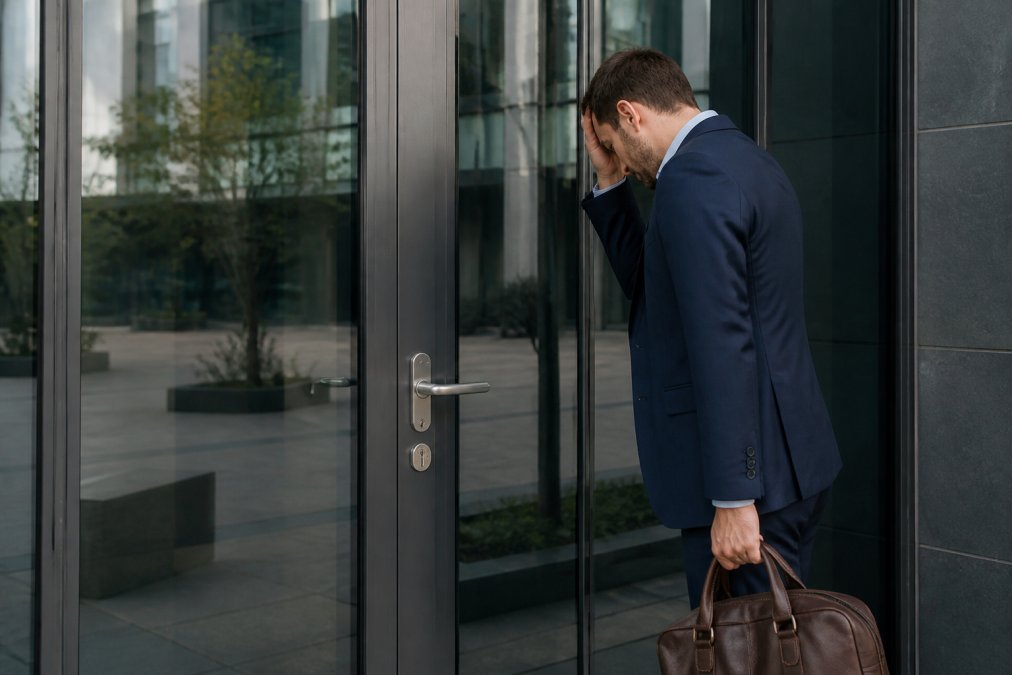
Learn how to handle a business lockout emergency with immediate steps, safety protocols, and when to call a professional locksmith. Minimize downtime.
Table of Contents
- Immediate Steps to Take During a Business Lockout
- Safety Protocols and Employee Management
- When to Call a Professional Locksmith
- Commercial Locksmith Emergency Services and Response
- Building a Business Lockout Prevention Plan
- How to Minimize Productivity Loss During a Lockout
- Post-Lockout Security Audit and Access Control Review
- Frequently Asked Questions
Last Updated: August 30, 2026
Immediate Steps to Take During a Business Lockout
When your business lockout emergency happens, the first few minutes determine whether you recover quickly or face hours of disruption. Start by assessing which areas are inaccessible and documenting what's locked and which staff members are affected. This information becomes critical when you contact a professional locksmith.
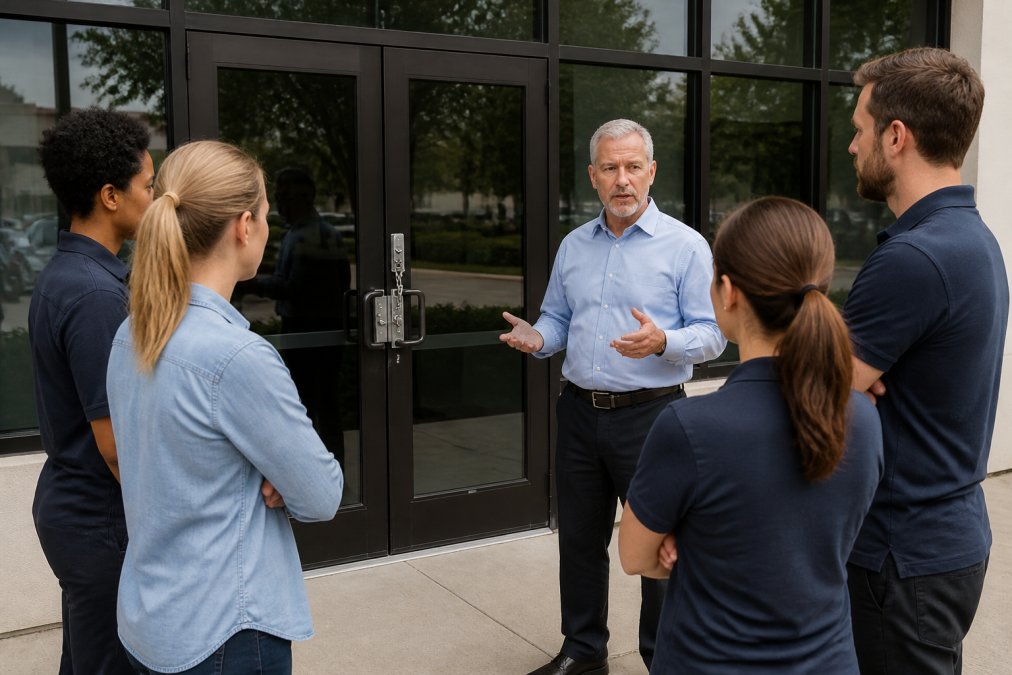
Move everyone to a safe, designated area. If employees are outside, keep them together in a visible location. If some are trapped inside, establish communication via phones, intercoms, or text to confirm everyone is safe. Notify your property manager or building owner immediately if you lease the space, they may have access to master keys, backup entry systems, or emergency contact information for the lock contractor. In commercial buildings with access control systems, property management often has override capabilities.
Secure your entrances from the outside to prevent unauthorized entry while the problem is being resolved. If the lockout affects your main entrance but other doors remain accessible, post signage directing customers and deliveries to alternate entry points.
Safety Protocols and Employee Management
Assign one person as the point of contact for all staff questions and updates. This prevents conflicting information and keeps everyone focused on the same timeline.
Assess whether employees can work remotely during the lockout. Administrative staff, managers, and remote-capable roles should be directed to work from home or alternate locations. For employees who must remain on-site, establish a comfortable waiting area and provide updates every 15 minutes or when circumstances change.
Document the incident in your business records, noting the time the lockout began, which areas were affected, how many employees were impacted, and any productivity losses. This documentation supports insurance claims and helps identify patterns if lockouts become recurring problems.
Ensure no employee attempts forced entry or DIY lock manipulation (osha.gov). These attempts damage hardware, void warranties, create liability, and may violate building codes or lease agreements. Make it clear that only professional locksmiths should handle entry.
When to Call a Professional Locksmith
Call a locksmith immediately once you confirm the lockout is real. The longer you wait, the longer your business remains inaccessible and your employees unproductive. Professional locksmiths are equipped to handle entry quickly, and the cost is far less than extended downtime.
Choose a locksmith with commercial experience. Residential locksmiths may not be equipped for commercial-grade hardware, electronic locks, or access control systems (aloa.org). Ask specifically whether they handle commercial properties and what types of locks and systems they work with.
Verify credentials before the locksmith arrives. Ask for their license number and confirm it with your state's licensing board. Legitimate commercial locksmiths carry proper identification and insurance. Provide clear directions and access information when you call, including your exact address, which entrance is locked, and any special access requirements. Ask about their response time and whether they charge for emergency after-hours service.
Commercial Locksmith Emergency Services and Response
When the locksmith arrives, they'll assess the lock type and determine the best entry method. For standard mechanical locks, they may pick or manipulate the lock without damage. For electronic locks or access control systems, they'll use specialized tools and knowledge to bypass or reset the system (aloa.org). A professional will explain their approach before beginning work.
Commercial locksmith emergency services often include lock repair or replacement if the original lock is damaged during entry. Once entry is regained, the locksmith can rekey your locks if keys were lost or compromised. Ask the locksmith for documentation of the work performed, including the entry method used, any locks repaired or replaced, and the final state of your security system.
Building a Business Lockout Prevention Plan
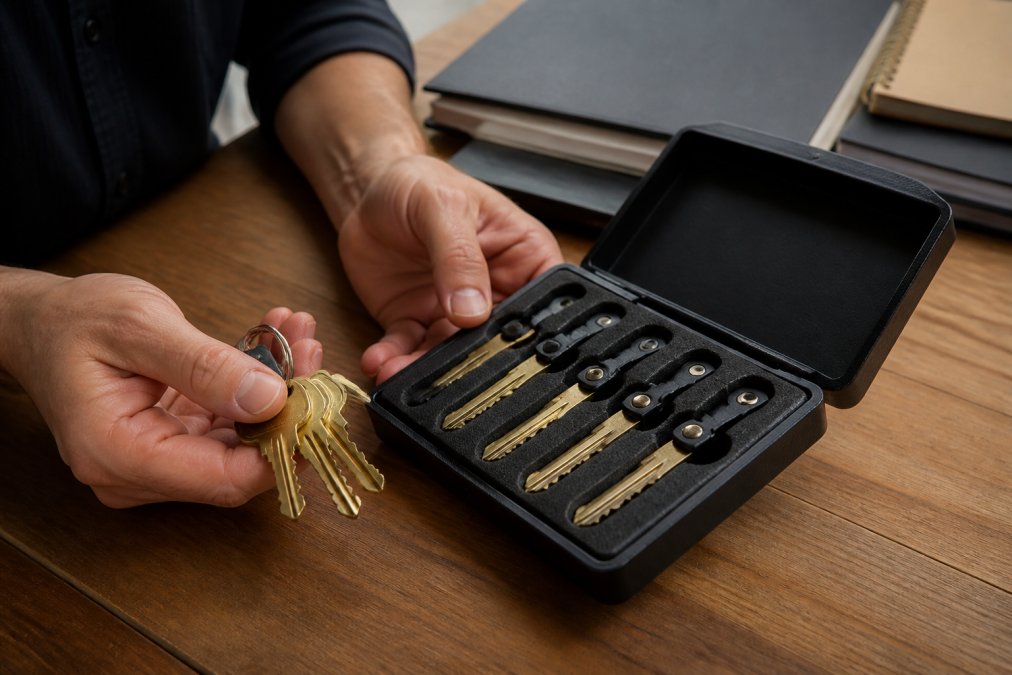
The best response to a business lockout emergency is preventing it from happening. Establish a key management system by designating specific individuals responsible for key control and storage. Create a master key inventory listing every key, which locks it opens, and who holds it. Store keys in a secure location like a locked cabinet or safe.
Maintain multiple copies of critical keys in secure locations. Store one set in your office safe, another with your property manager or building owner, and a third with a trusted manager who doesn't work on-site daily. This redundancy ensures that if one set is lost or inaccessible, you have backups.
For modern businesses, consider upgrading to an electronic access control system. These systems use keycards, keypads, or biometric readers instead of traditional keys, provide audit trails, and eliminate the risk of lost keys.
Document your lockout response procedures in writing. Create a one-page guide listing emergency locksmith contact information, procedures for securing the building, communication protocols for employees, and steps for documenting the incident. Post this guide in your office and send it to all managers.
Schedule regular security audits to evaluate your access control practices. Review your key inventory, inspect locks for wear or damage, and assess whether your security infrastructure matches your current business needs. Establish relationships with reliable commercial locksmiths before you need them by getting quotes from multiple providers and confirming their response times.
How to Minimize Productivity Loss During a Lockout
Immediately redirect customer traffic and deliveries to alternate entry points if they exist. Place temporary signage at the main entrance explaining the situation and directing people to the accessible entrance. For retail or customer-facing businesses, communicate the issue via email, phone, and social media.
For businesses with multiple locations or departments, shift work to unaffected areas. If your main office is locked but a warehouse or secondary office remains accessible, move essential staff and operations there temporarily.
Communicate with key clients and partners about the situation. Most clients appreciate transparency and will work with you on revised timelines. Use the downtime for tasks that don't require building access, such as email, phone calls, planning, and administrative work completed remotely.
Track the time lost during the lockout and associated costs, including employee wages, lost sales, delayed deliveries, and locksmith fees. This documentation helps with insurance claims and demonstrates the real cost of inadequate security measures. Once access is restored, conduct a brief team meeting to debrief on the incident and discuss improvements.
Post-Lockout Security Audit and Access Control Review
Determine the root cause of the lockout. Was a key lost, misplaced, or left inside? Did an electronic lock malfunction? Understanding the cause shapes your prevention strategy.
Inspect all locks and hardware for damage or wear. Old locks are more likely to jam or fail unexpectedly. Replace locks that show significant wear. Review your access control procedures and identify gaps. Do all employees understand how to lock and unlock doors properly? Are there procedures for verifying that all doors are secured at the end of the day?
Evaluate whether your current lock system matches your business needs. If you've experienced multiple lockouts, a traditional key-based system may be inadequate. Electronic access control systems offer better security, audit trails, and flexibility.
Assess your backup access options. If your main entrance locks fail, can employees access the building through alternate entrances? Are backup keys stored in accessible locations? Redundancy ensures that a single point of failure doesn't shut down your entire operation.
Document your findings and create an action plan. Prioritize improvements based on risk and feasibility. Develop a timeline for implementation and assign responsibility to specific staff members.
At Lock it All Locksmithing, we help businesses strengthen their security infrastructure after lockout incidents. Our team can conduct comprehensive security audits, recommend access control upgrades, and implement solutions tailored to your business needs. We understand that a business lockout emergency disrupts operations, and we're committed to helping you prevent future incidents while maintaining the security your business requires.
A business lockout emergency tests your preparedness and your team's ability to respond under pressure. The businesses that recover fastest are those with clear procedures, reliable locksmith contacts, and investment in prevention systems. Start by assessing your current security infrastructure, identifying vulnerabilities, and building relationships with qualified commercial locksmiths who can support your business when access issues arise. Call Lock it All Locksmithing at 615-810-7304 to schedule a security audit and learn how our commercial locksmith services can protect your business from future lockout emergencies.
Frequently Asked Questions
What should I do immediately when I discover a business lockout emergency?
First, secure the area and account for all employees. Check alternative entry points like side doors or loading areas. Contact your property manager or building owner if applicable. Then call a professional commercial locksmith immediately. Do not attempt forced entry, as this can damage lock hardware and compromise security. While waiting, keep employees informed and establish a temporary workspace if possible to maintain business continuity.
How can I create an effective business lockout prevention plan?
Implement a master key system with designated key personnel who maintain spare keys in secure locations. Establish a key management system that tracks who has access to which areas. Conduct regular security audits to identify vulnerabilities. Train employees on proper lock procedures and emergency protocols. Consider installing access control systems or panic bars for quick egress. Document all procedures and review them annually. Ensure your plan complies with local fire codes and safety regulations.
Can I call 911 for a commercial lockout emergency?
911 is typically reserved for life-threatening emergencies. A standard lockout is not considered an emergency requiring police response unless there is an immediate safety threat or criminal activity. Instead, contact a professional commercial locksmith who specializes in business lockouts. They have the tools and expertise to resolve the situation quickly without damaging your property or security systems. Keep a trusted locksmith's contact information readily available for faster response times.
How long does it usually take for a locksmith to arrive for a business lockout?
Response times vary depending on the locksmith's current workload and distance from your location. Many professional locksmiths offer 24/7 emergency services with arrival times ranging from 30 minutes to a few hours. During business hours, response is typically faster. When selecting a locksmith, ask about their average response time and whether they offer after-hours support. Having a pre-established relationship with a reliable locksmith ensures faster assistance during emergencies and reduces overall downtime.
Why Nashville drivers choose Lock it All Locksmithing
We are a locally owned, licensed and insured mobile locksmith serving Nashville and the surrounding Middle Tennessee communities. You speak directly with the technician who does the work, get an honest price before we dispatch, and we arrive in a fully stocked service vehicle so most jobs finish in a single visit — usually within 20 to 45 minutes of arriving. No towing, no dealership appointment, no surprise fees.
How the visit works
- Tell us the details: call, text or send the quote form with your vehicle's year, make and model, or a description of your lock problem.
- Get an exact price: we quote parts, cutting, programming and travel up front.
- We come to you: our mobile workshop meets you at home, work or roadside.
- Done on the spot: keys are cut, programmed and tested with you before we leave.
Areas we serve
Nashville, Murfreesboro, Franklin, Hendersonville, Smyrna, La Vergne, Antioch, Brentwood, Mount Juliet, Lebanon and the surrounding towns across Middle Tennessee.
What our customers say
- "Fast, professional and honest — had a new key for my truck programmed in under half an hour." — Adrian Fiorito, 5 stars.
- "Great service and fair pricing. Came out same day and solved the problem right away." — George Yacoub, 5 stars.
- "Very knowledgeable and friendly. Highly recommend for anyone needing a locksmith in Nashville." — Jan Daoud, 5 stars.
Rated 5 stars across 100+ verified Google reviews. Call or text 615-810-7304 or email info@lia-locksmith.com.