Can You Rekey Locks to Use the Same Key?
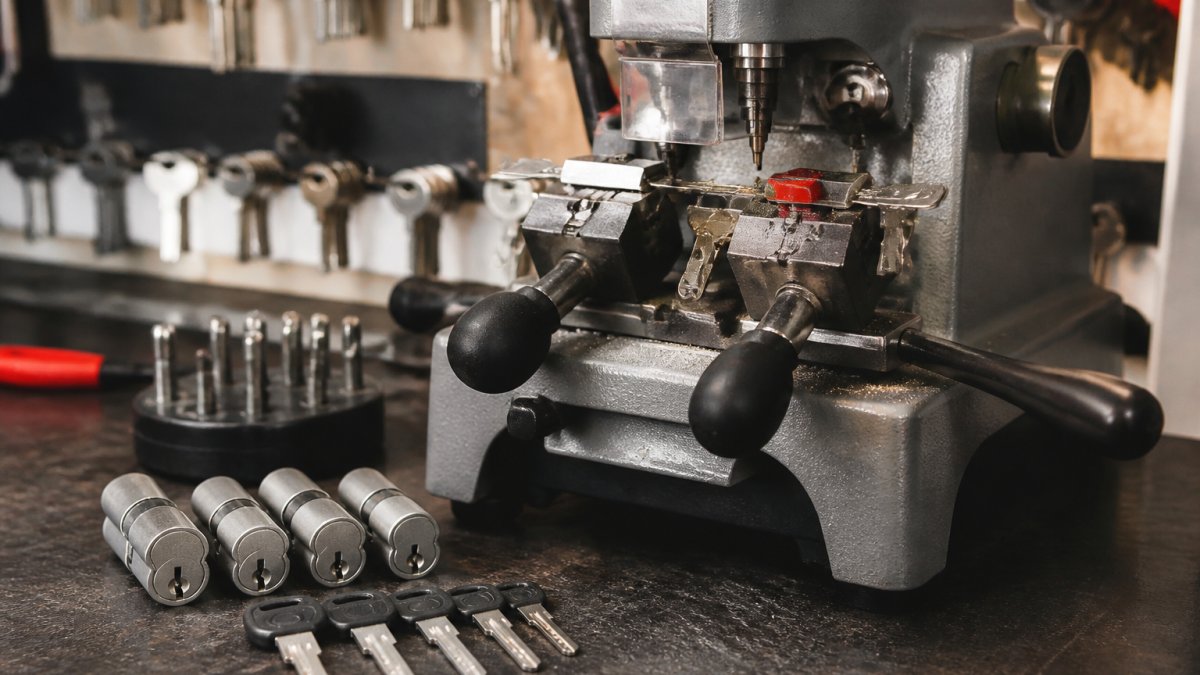
Rekey locks to use the same key and simplify your keyring. Learn the tools, pin kits, and step-by-step process for keying alike your home's locks.
Last Updated: October 27, 2026
Quick Summary
Yes, you can rekey locks to use the same key by resetting the pin tumblers inside each cylinder so one key operates every door. The lock body and keyway stay the same; only the pins change to match your working key's bitting.
- A full repin takes most beginners 20 to 40 minutes for a first lock.
- Push a plug follower in behind the plug to keep springs and driver pins from launching.
- Most residential pin kits use numbered bottom pins, often 0 through 9, where a higher number is longer.
- Locks can be keyed alike only when they share a compatible keyway and pin range.
- Stop and call a locksmith if the cylinder will not come out or pins are missing.
Table of Contents
- How Rekeying Locks to One Key Works
- Tools and Workspace for Rekeying a Lock
- Step-by-Step: Repinning a Residential Lock Cylinder
- Rekey Multiple Locks to One Key: Compatibility and Pin Sizes
- Rekeying vs. Replacing Locks: Which Fits Your Home
- What Affects the Cost to Rekey Locks
- When to Stop and Call a Locksmith
- Book Your Rekey with Lock it All Locksmithing
- Frequently Asked Questions
How Rekeying Locks to One Key Works
Rekeying locks to use the same key is the process of resetting the pin tumblers inside each lock cylinder so a single key operates every door.
Here is what happens inside a standard pin tumbler lock.
So the question "can you rekey locks with the same key?" has a simple answer: yes.
That is the theory. The hard part is doing it without losing a spring across the room.
Tools and Workspace for Rekeying a Lock
A clean, well-lit workspace matters more than any single tool. A common mistake is starting on the kitchen table with the lock still hanging on the door. Set up first.
What you need before you start:
- A pin kit with labeled pin sizes
- A plug follower, sized to your cylinder
- Needle-nose pliers and a small flathead screwdriver
What's in a Lock Rekeying Kit
A lock rekeying kit usually holds bottom pins, top pins, springs, and a follower. Pin kits are sold by brand and by lock family, so match the kit to your lock. Most residential cylinders use a standard pin set, but some brands use proprietary pins.
Watch out: a pin kit for the wrong lock family is the most common wasted purchase. Check the lock's brand stamp on the faceplate before you buy anything.
Step-by-Step: Repinning a Residential Lock Cylinder
The full repin takes most beginners 20 to 40 minutes for a first lock. Work slowly and keep every part in the same order you removed it.
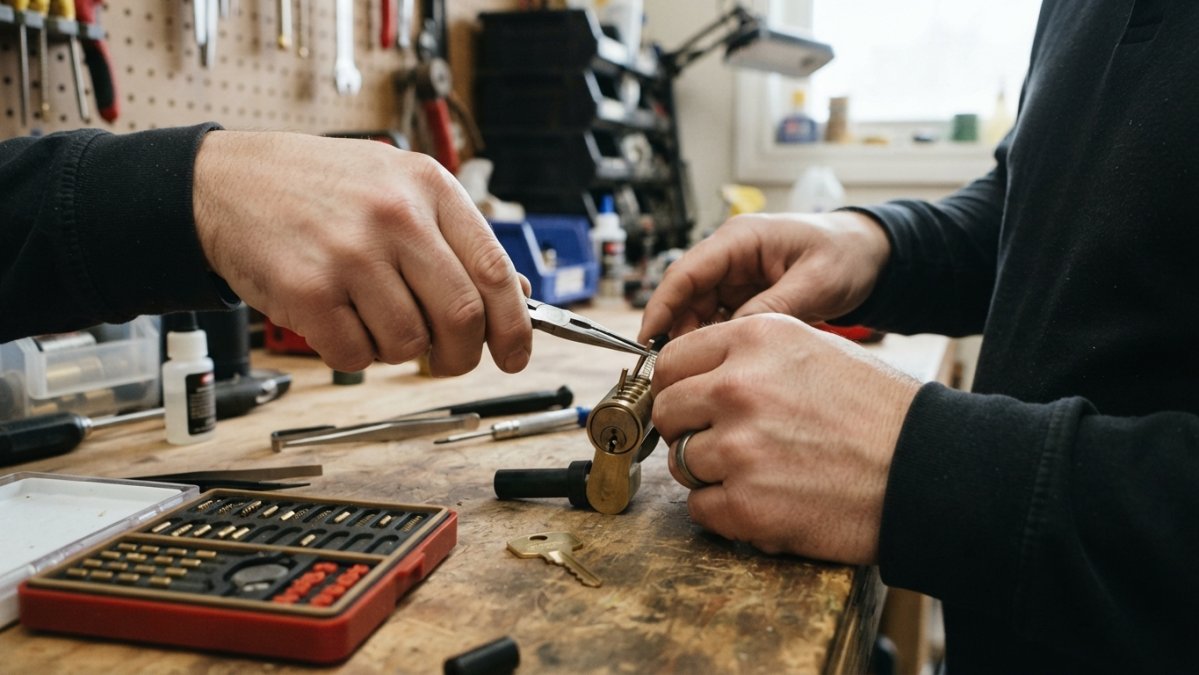
Removing the Cylinder and Positioning the Plug
- Remove the lock from the door, or pull the cylinder from the housing. On a standard residential knob or deadbolt, the cylinder is held by a retaining clip or a pair of screws on the interior side.
- Insert the working key and turn the plug slightly, about 15 degrees, to align the pin chambers with the top of the housing. This is the same position the plug sits in when the key is inserted and turned just enough to clear the bible.
- Push the plug follower in behind the plug as you slide the plug out. The follower keeps the springs and driver pins from launching. A follower sized to the cylinder diameter (commonly 1/2 inch for many residential cylinders) seats against the back of the plug and holds the top pins and springs in their chambers as the plug slides free.
That follower step is where most people slip. Skip it and you will spend ten minutes hunting springs under the fridge.
Reading the Key and Selecting Pins
- Lay the plug on the bench and let the old pins drop out in order. Keep them in a row so you can see which chamber held which pin.
- Read the key's bitting. Each cut on the key corresponds to a chamber, and the depth of that cut tells you which bottom pin height belongs in that chamber. Most residential pin kits use numbered bottom pins (often 0 through 9), where a higher number is a longer pin. The key cut and the pin number work together: a deeper cut needs a longer pin so the top of the bottom pin still reaches the shear line.
- Select replacement bottom pins by size for each chamber, matching the key's bitting. Then add a top pin (driver pin) and a spring above each bottom pin. In most standard cylinders the top pins are uniform, so the bottom pin is the part that changes.
- Insert a bottom pin, then a top pin, then a spring into each chamber. A pinning shoe or a strip of cardstock held over the chambers keeps the stack from popping out as you work.
Reinstalling the Plug and Testing
- Flip the plug upside down and slide it back into the housing while the follower pushes the stack home. The follower should stay in contact with the plug face so no spring escapes during the transfer.
- Turn the key to confirm the shear line lines up, then reinstall the lock. Test with the door open first: insert the key, turn it both directions, and confirm the plug rotates smoothly without binding.
- Remove the key and try a key that should no longer work. It should insert partway or turn only slightly, confirming the old key has been locked out.
Missing or damaged pins are common on older locks. If a pin is bent or gone, replace it from the kit rather than forcing the stack. A bent pin will bind the plug and can score the cylinder wall.
Testing Before You Rely on the Lock
After the lock is back on the door, run a short test sequence with the door open:
- Insert and remove the working key several times. It should slide in fully without force.
- Turn the key to lock and unlock at least five times. The plug should rotate smoothly and return without catching.
- Try every other key that used to open the lock. None should operate it.
If a lock binds only when the door is closed, the problem is usually alignment at the strike plate rather than the pins. If it binds with the door open, the pin stack is the likely culprit and should be corrected before the lock is put back into service.
Rekey Multiple Locks to One Key: Compatibility and Pin Sizes
You can rekey multiple locks to one key only when the locks share a compatible keyway and pin range. A deadbolt and a knob from the same brand family usually match. Mixing brands often does not.
Identify Each Lock Before You Buy Anything
Before you buy a kit, check three things on every lock you plan to rekey:
- The keyway profile on each lock. The keyway is the shape of the slot the key slides into. Two locks with different keyway profiles cannot be operated by the same key, even if the pin sizes match.
- The pin chamber depth and pin count. Most residential cylinders use five or six pin chambers. A five-pin lock and a six-pin lock from the same brand may still share a keyway, but the pin kit must cover the chamber count.
- Whether any lock uses a restricted or high-security key. Restricted keyways are cut to a patented profile and often require dealer-only pin kits. A standard residential pin kit will not service them.
A practical way to check compatibility is to try the working key in each lock before disassembly. If the key slides in fully and turns, the keyway matches. If it stops partway, the keyway is different and that lock cannot be keyed alike to the same key without changing the cylinder.
Match the Pin Kit to the Lock Family
Pin kits are sold by brand and by lock family, so match the kit to your lock. Most residential cylinders use a standard pin set, but some brands use proprietary pins.
When you have the right kit, confirm the pin numbering matches the key bitting chart for that brand. Pin numbers are not universal across manufacturers: a number 3 pin from one brand may not be the same length as a number 3 pin from another.
Keying Alike Versus Keying to a Master Key
Keying alike means every lock uses the exact same pin stack, so one key opens all of them and no other key works.
If you want a single key for the front door, back door, and garage entry, the locks must be compatible to be keyed alike. For more home security and lock guides, our locksmith blog covers the wider picture.
Rekeying vs. Replacing Locks: Which Fits Your Home
Rekeying changes the pins; replacing swaps the whole lock. Rekey when the hardware is solid and you just want old keys to stop working. Replace when the lock is damaged, the finish is failing, or you want a different grade.
| Situation | Rekey | Replace |
|---|---|---|
| New home, old keys floating around | Yes | No |
| Tenant moved out | Yes | No |
| Lock body damaged or loose | No | Yes |
| Upgrading to a higher security grade | No | Yes |
| Worn key that sticks | Usually | Sometimes |
The honest answer: rekeying is cheaper and faster in most cases. Replacing wins when the hardware itself is the problem.
What Affects the Cost to Rekey Locks
The cost to rekey locks depends on the number of cylinders, the lock type, and whether the locks are keyed alike. A single cylinder costs less than a whole house.
Factors that move the number:
- Number of locks in the job
- Standard versus high-security cylinders
- Whether the locks are already keyed alike
We do not publish flat prices because every home is different. For a transparent breakdown of what drives the bill, see our guide to residential lock rekeying costs, or call for a quote.
When to Stop and Call a Locksmith
Stop and call a locksmith when the cylinder will not come out, when pins are missing and you cannot match sizes, or when the lock is a high-security model.
Watch out: if you are rekeying a lock on a rental property, get written permission from the owner first. Unauthorized work can create a liability problem.
If you are unsure whether to DIY or hire, our article on why you need a professional residential locksmith explains what a pro handles that a home kit cannot.
Book Your Rekey with Lock it All Locksmithing
Getting one key for every door is a job worth doing right the first time.
We also cover car key replacement, key fob programming, and remote start installation when your security needs go beyond the front door.
Call 615-810-7304.
Frequently Asked Questions
Can you rekey different locks to use the same key?
Yes, as long as the locks share the same keyway and pin type. A locksmith or homeowner picks a target key, then repins each lock's cylinder so its pin stack matches that key's bitting at the shear line. Locks from different brands often use different keyways, so check compatibility before buying a pin kit. Matching brand and keyway is the fastest path to rekey multiple locks to one key.
Is it cheaper to rekey locks or replace them?
Rekeying usually costs less than replacing hardware because you keep the existing locks and only change the pins. Replacing makes sense when the hardware is damaged, outdated, or you want a higher security grade. If your locks are solid and just need a new key, rekeying is the practical choice. Ask for a quote on both options so you can compare the cost to rekey locks against new hardware.
What tools do you need to rekey a lock?
A basic lock rekeying kit includes a plug follower, pin tweezers or needle-nose pliers, a pin kit with multiple sizes, and a working key for the target bitting. You'll also want a screwdriver for the cylinder and a clean tray so springs and driver pins don't roll away. A cylinder removal tool helps on some deadbolts. Missing any of these raises the risk of lost springs or bent pins.
When should you call a locksmith instead of rekeying yourself?
Call a locksmith if the lock is a high-security or restricted-keyway model, the cylinder is seized, pins are missing or broken, or you're unsure the door hardware can be safely disassembled. Also call a pro if you rent and don't have written authorization from the property owner. A locksmith can confirm compatibility, source replacement pins, and test the lock after reassembly so the door secures properly.


Why Nashville drivers choose Lock it All Locksmithing
We are a locally owned, licensed and insured mobile locksmith serving Nashville, Antioch, Brentwood, Franklin, Smyrna, La Vergne, Murfreesboro, Hermitage and Mt. Juliet. You speak directly with the technician who does the work, get an honest price before we dispatch, and we arrive in a fully stocked service vehicle so most jobs finish in a single visit — usually within 20 to 45 minutes of arriving. No towing, no dealership appointment, no surprise fees.
How the visit works
- Tell us the details: call, text or send the quote form with your vehicle's year, make and model, or a description of your lock problem.
- Get an exact price: we quote parts, cutting, programming and travel up front.
- We come to you: our mobile workshop meets you at home, work or roadside.
- Done on the spot: keys are cut, programmed and tested with you before we leave.
Areas we serve
Nashville, Antioch, Brentwood, Franklin, Smyrna, La Vergne, Murfreesboro, Hermitage and Mt. Juliet. If you're outside these areas, call 615-810-7304 to confirm whether we can help.
What our customers say
Best locksmith in town excellent service and great price !!
— Adrian Fiorito, 5 stars.Very wonderful service, strong quality, great prices, and it does not take long.
— George Yacoub, 5 stars.Great customer service - Professional - Fast Highly recommend.
— Jan Daoud, 5 stars.
Rated 5 stars across 100+ verified Google reviews. Call or text 615-810-7304 or email info@lia-locksmith.com.