What to Do When Your Car Key Breaks in the Ignition
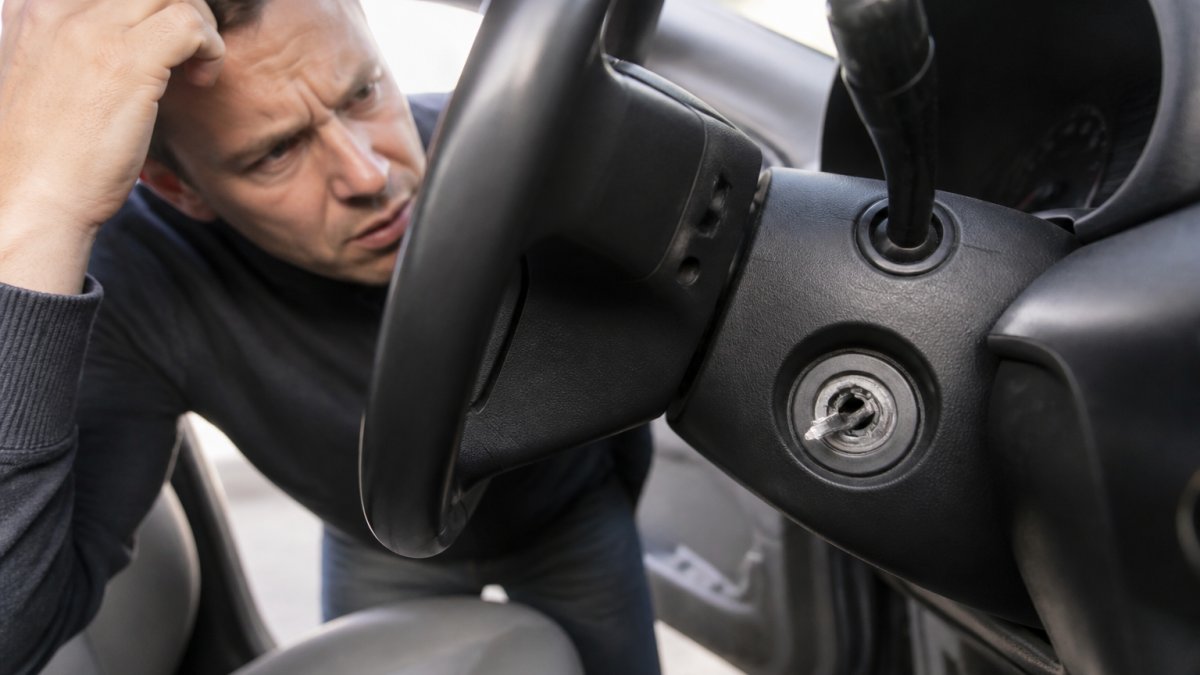
Learn what to do when your car key breaks in the ignition. Follow safe removal steps, use the right extraction tools, and know when to call a locksmith.
Table of Contents
- What to Do When Your Car Key Breaks in the Ignition: First Steps
- Why Car Keys Break in the Ignition
- How to Remove a Broken Key from a Car Ignition
- Ignition Key Extraction Tools That Work
- When to Stop and Call a Locksmith
- Car Key Replacement After Breaking in Ignition
- Frequently Asked Questions
Last Updated: October 7, 2026
What to Do When Your Car Key Breaks in the Ignition: First Steps
Hearing a snap as your key turns is one of the worst sounds a driver can hear. Knowing what to do when your car key breaks in the ignition can save you from an expensive repair. The key fragment is now lodged inside the lock cylinder. Your job is to stop, assess, and avoid making things worse. This guide from Lock it All Locksmithing walks you through each step.
Stop Turning the Key Immediately
The first rule is simple: stop. Do not twist the key stub. Do not jiggle it. Every turn pushes the broken piece deeper into the ignition lock. That makes extraction harder and can damage the lock cylinder.
Turn off the engine if it is still running. Then leave the ignition alone.
Check the Ignition Position and Steering Lock
Your car key breaks in one of several ignition positions. The position matters for what happens next.
- Locked position: The steering wheel may lock. Do not force it.
- Unlocked position: The wheel turns freely. You can still steer.
- On or run position: The engine may still be running. Shut it off safely.
If the steering lock engages, the car will not roll. That is actually helpful. It keeps the vehicle stationary while you figure out your next move.
Why Car Keys Break in the Ignition
A car key usually breaks because of wear, not sudden force. The key blade thins over time. Metal fatigue builds up at the weakest point, often near the base of the blade.
Other common causes include:
- A worn key that no longer fits the keyway smoothly
- A worn cylinder with stiff pins that grip the key too tightly
- Heavy keychains that add stress to the ignition
Prevention is straightforward. If your key feels stiff or sticky, get a replacement key cut before it snaps. A worn key is a warning sign, not a minor annoyance.
How to Remove a Broken Key from a Car Ignition
You can remove a broken key from a car ignition only if part of the key blade is still visible above the keyway opening. Before you touch anything, secure the vehicle and confirm what kind of ignition you are working with, because the right move differs between a conventional turn-key cylinder and a push-button start.
Secure the Vehicle First
Put the transmission in Park (or First gear on a manual), set the parking brake, and turn on your hazard lights if you are on a roadway. If the ignition is stuck in the On or Run position, the engine may still be running, shut it off before you work near the column. If the steering lock has engaged, do not force the wheel; the locked wheel actually keeps the car from rolling while you work.
Know Which Ignition You Have
- Conventional turn-key ignition: The key blade physically moves pins inside the lock cylinder. A broken blade can usually be extracted with the right tool.
- Push-button / smart key ignition: There is no keyway to insert a blade into. If a mechanical key broke in a hidden emergency slot or a door/trunk lock, that is a different job than the start button itself. Do not pry at the button.
- Transponder or chipped key: The blade may snap, but the chip and immobilizer are a separate problem you will deal with after extraction.
Step-by-Step Extraction (Visible Fragment Only)
- Clean the area around the keyway so grit does not fall in.
- Light the keyway with a flashlight and note how much blade is exposed.
- Spray a small amount of graphite lubricant into the keyway to reduce friction. Avoid oil-based lubricants, which attract dust.
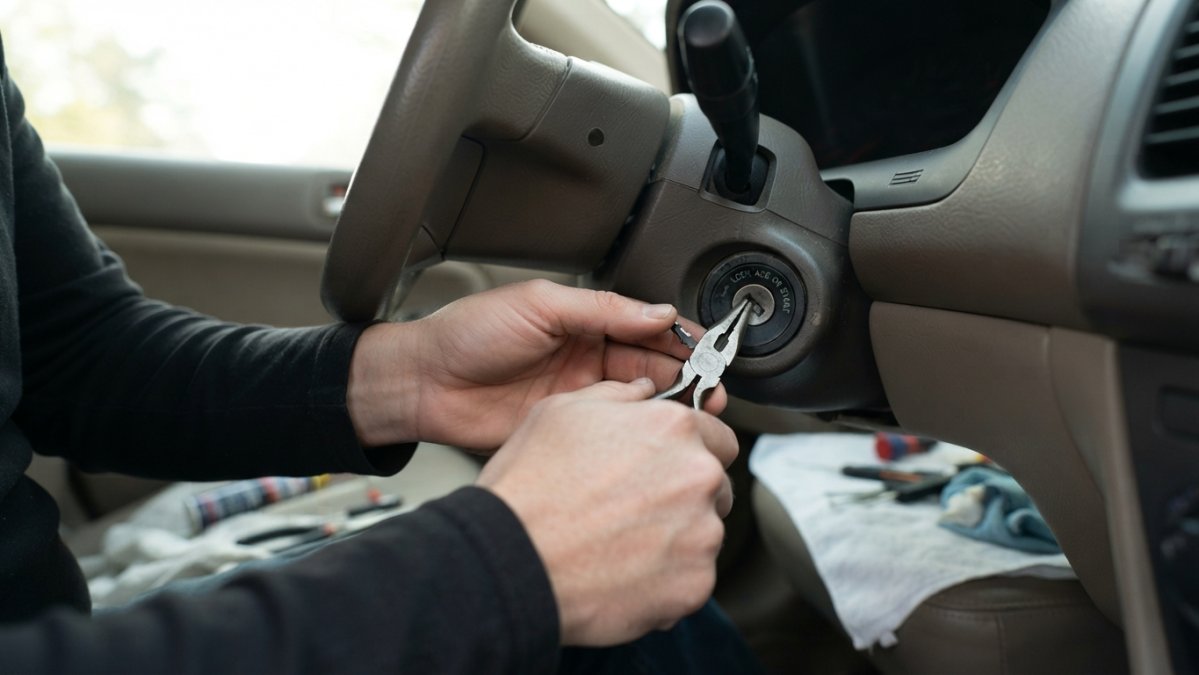
- Grip the flat side of the exposed blade with needle-nose pliers, tweezers, or hemostats.
- Pull straight out toward you with light, even pressure. Never twist or rock the fragment.
If pliers are too bulky for the opening, switch to a broken key extractor, a thin, hooked tool designed to slide past the fragment and grip it from behind.
Stop Conditions: When to Quit DIY
Use this decision tree before you make things worse:
- Fragment flush or below the keyway opening? Stop. Pliers cannot reach it, and pushing a pick or paperclip will drive it deeper.
- Tools cannot grip the fragment after two or three tries? Stop. Repeated attempts scratch the cylinder walls and damage the pins.
- The vehicle uses a transponder or smart key system? Strongly consider stopping. Even if you extract the blade, the car will not start without a programmed chip.
Tools That Actually Work
| Tool | Best For | Risk Level |
|---|---|---|
| Needle-nose pliers | Fragment sticking out | Low |
| Tweezers or hemostats | Shallow, visible fragment | Low |
| Broken key extractor | Fragment below the surface | Medium |
| Dental pick | Very shallow fragments only | High |
| Paperclip | Not recommended | Very high |
A broken key extractor is the only tool designed to grip a fragment from inside the keyway. Paperclips and dental picks bend easily and can snap off inside the lock, leaving you with two problems instead of one.
Ignition Key Extraction Tools That Work
The right ignition key extraction tools make the difference between a five-minute fix and a tow to the shop. Here is what actually works.
| Tool | Best For | Risk Level |
|---|---|---|
| Needle-nose pliers | Fragment sticking out | Low |
| Tweezers or hemostats | Shallow, visible fragment | Low |
| Broken key extractor | Fragment below the surface | Medium |
| Dental pick | Very shallow fragments only | High |
| Paperclip | Not recommended | Very high |
A broken key extractor is the only tool designed to grip a fragment from inside the keyway. Paperclips and dental picks bend easily and can snap off inside the lock. Then you have two problems instead of one.
When to Stop and Call a Locksmith
Stop your DIY attempt if any of these apply:
- The fragment sits flush or below the keyway opening
- Your tools cannot grip the broken piece
- You feel resistance or grinding inside the cylinder
Modern vehicle keys contain a chip that talks to the car's immobilizer. A mobile locksmith can extract the fragment and cut a replacement key on site.
At Lock it All Locksmithing, we handle broken key extraction and replacement for drivers. Our team works on both standard keys and modern transponder systems, so you are not stuck waiting on a dealership appointment.
Car Key Replacement After Breaking in Ignition
Getting the fragment out is only half the job. The other half is confirming the ignition still works, deciding whether the cylinder needs service, and getting a key that will not snap the same way next week. Most guides stop at extraction, this section covers what happens after.
Test the Ignition Before You Drive
Once the fragment is out, do not just start the car and go. Run through this sequence:
- Insert your spare or replacement key and turn it gently through each position, Lock, Accessory, On, Start.
- Listen and feel for grinding, catching, or a key that needs extra force.
- Check that the steering lock releases normally when you turn the key.
- Confirm the engine starts and the dashboard warning lights behave as usual.
- If the key feels stiff or the cylinder binds, stop driving on it. A worn cylinder will break the new key too.
Inspect the Cylinder for Damage
Look into the keyway with a flashlight. Warning signs that the cylinder needs attention:
- Bent, missing, or misaligned pins visible at the opening
- Metal shavings or debris inside the keyway
- A keyway that feels loose or turns without resistance
If any of these are present, a simple key cutting will not fix the problem. The cylinder itself needs service or replacement.
Your Replacement Options and What They Involve
- Key cutting: A new blade cut to match the existing lock. Fastest and least expensive option, but only works if the cylinder is healthy. Typically done at a locksmith shop or hardware store.
- Rekeying: New pins installed inside the cylinder so old keys no longer work. Useful if you are worried about a lost or stolen key. Requires disassembly of the cylinder.
- Full key replacement with programming: For transponder and smart keys, the new key must be programmed to the vehicle's immobilizer before the car will start. This step cannot be skipped on modern vehicles.
Cost and Time: What to Expect
Exact prices vary widely by vehicle make, model, year, and your location, so treat any figure as a rough range rather than a quote. In general:
- Mobile locksmith extraction and key cutting: Often the fastest path. A mobile locksmith can come to your location, extract the fragment, and cut a working key in one visit. This is usually cheaper and quicker than towing to a dealership.
- Dealership service: Reliable for transponder and smart key programming, but typically requires an appointment, a tow if the car will not start, and a higher labor rate.
- DIY extraction and key cutting: Lowest cost if the fragment is visible and the cylinder is undamaged, but risky if you lack the right extractor tool or the fragment sits deep.
A common pattern is that the total cost climbs sharply once the cylinder is damaged, because you are now paying for both a new key and cylinder service. That is why stopping DIY attempts early, before you scratch the pins, usually saves money.
Preventing a Repeat Break
- Replace worn keys before they snap. A key that feels stiff or sticky is a warning sign.
- Lighten your keychain. Heavy keychains add stress to the ignition cylinder.
- Lubricate the cylinder with graphite, not oil.
At Lock it All Locksmithing, we handle broken key extraction, cylinder inspection, and replacement key cutting and programming for drivers. Our team works on both standard keys and modern transponder systems, so you are not stuck waiting on a dealership appointment.
Frequently Asked Questions
Can I remove a broken key from the ignition myself?
Yes, if enough of the key fragment is visible above the ignition cylinder. Use needle-nose pliers or tweezers to grip the exposed edge and pull gently. Never push the fragment deeper or force it sideways. If the break sits flush with or below the cylinder opening, stop and call a mobile locksmith. Attempting extraction with paperclips or dental picks when the fragment is deep often pushes it further in and damages the ignition lock.
Can I start my car if part of the key is stuck in the ignition?
No. Starting the car with a fragment lodged in the ignition cylinder can jam the steering lock, damage the shift interlock, or push the broken piece deeper into the keyway. Even if the ignition turns, a partial key blade cannot properly engage the cylinder pins. Have the fragment removed first. A locksmith can extract it and then cut a replacement key so you can drive safely.
Should I call a locksmith if my car key breaks in the ignition?
Call a locksmith when the fragment is stuck below the cylinder opening, when you have already tried and failed to extract it, or when your vehicle uses a transponder or smart key system. A mobile locksmith can remove the broken key, check the ignition cylinder for damage, and cut and program a replacement key on site. Forcing extraction on a modern ignition key extraction job risks damaging the cylinder and costing more to repair.
Why did my car key break in the ignition?
The most common causes are a worn key blade that has thinned from years of use, a worn ignition cylinder that requires extra force to turn, or a heavy keychain that strains the key every time it hangs in the ignition. Extreme temperatures and bent key blades also weaken the metal. If your key feels loose or needs jiggling to turn, the cylinder or key is worn and should be checked before it breaks.
A broken key in the ignition is stressful, but it does not have to be expensive. The key is knowing when to stop and when to call for help. Lock it All Locksmithing offers expert car key replacement, key fob programming, and ignition repair for drivers who need it done right the first time. Get started with Lock it All Locksmithing and get back on the road with a key that works. Call 615-810-7304.
Why Nashville drivers choose Lock it All Locksmithing
We are a locally owned, licensed and insured mobile locksmith serving Nashville, Antioch, Brentwood, Franklin, Smyrna, La Vergne, Murfreesboro, Hermitage and Mt. Juliet. You speak directly with the technician who does the work, get an honest price before we dispatch, and we arrive in a fully stocked service vehicle so most jobs finish in a single visit — usually within 20 to 45 minutes of arriving. No towing, no dealership appointment, no surprise fees.
How the visit works
- Tell us the details: call, text or send the quote form with your vehicle's year, make and model, or a description of your lock problem.
- Get an exact price: we quote parts, cutting, programming and travel up front.
- We come to you: our mobile workshop meets you at home, work or roadside.
- Done on the spot: keys are cut, programmed and tested with you before we leave.
Areas we serve
Nashville, Antioch, Brentwood, Franklin, Smyrna, La Vergne, Murfreesboro, Hermitage and Mt. Juliet. If you're outside these areas, call 615-810-7304 to confirm whether we can help.
What our customers say
Best locksmith in town excellent service and great price !!
— Adrian Fiorito, 5 stars.Very wonderful service, strong quality, great prices, and it does not take long.
— George Yacoub, 5 stars.Great customer service - Professional - Fast Highly recommend.
— Jan Daoud, 5 stars.
Rated 5 stars across 100+ verified Google reviews. Call or text 615-810-7304 or email info@lia-locksmith.com.