Lost All House Keys? What Happens Next
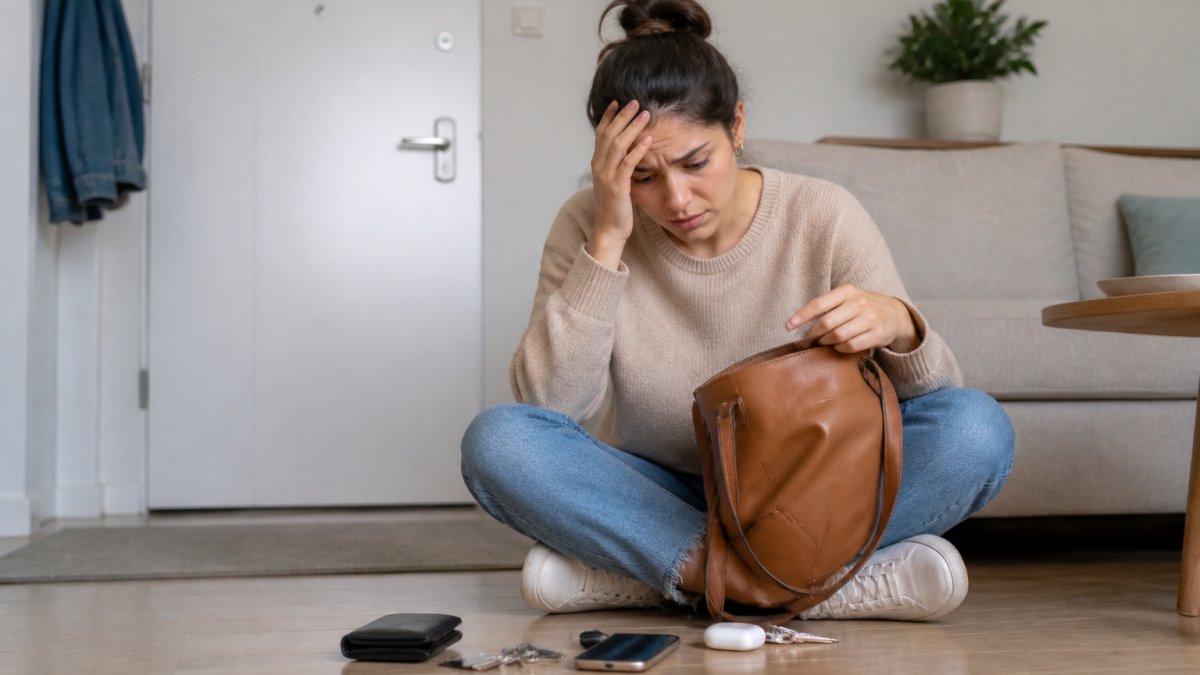
Lost house keys can leave you locked out and worried about security. Here is what happens next, from getting back inside to replacing or rekeying locks.
Table of Contents
- What to Do If You Lose Your House Keys: First Steps
- Should You Change Locks After Losing House Keys?
- How to Get Back Inside Without Breaking In
- Step 1: Confirm you are actually locked out
- Step 2: Call the people who may already have a key
- Step 3: Contact a licensed locksmith
- Step 4: If you rent, use your lease's access clause
- Step 5: Emergency services, when they are and are not the answer
- What not to do
- If you are locked out with no phone or wallet
- When to Call a Locksmith to Replace Lost House Keys
- Cost to Replace House Keys and What Affects It
- Preventing the Next Lockout: Backup Keys and Smart Locks
- Conclusion: Regaining Access and Peace of Mind
- Frequently Asked Questions
Last Updated: October 8, 2026
What to Do If You Lose Your House Keys: First Steps
Losing your house keys is stressful, but the first hour matters most. What happens if you lose all house keys comes down to three things: how fast you act, whether anyone can identify your address from those keys, and whether you have a spare.
The short version: retrace your route, call the places you visited, then decide on entry and lock security.
Lost house keys are keys that are missing, misplaced, or stolen, leaving you without a way to open your own door.
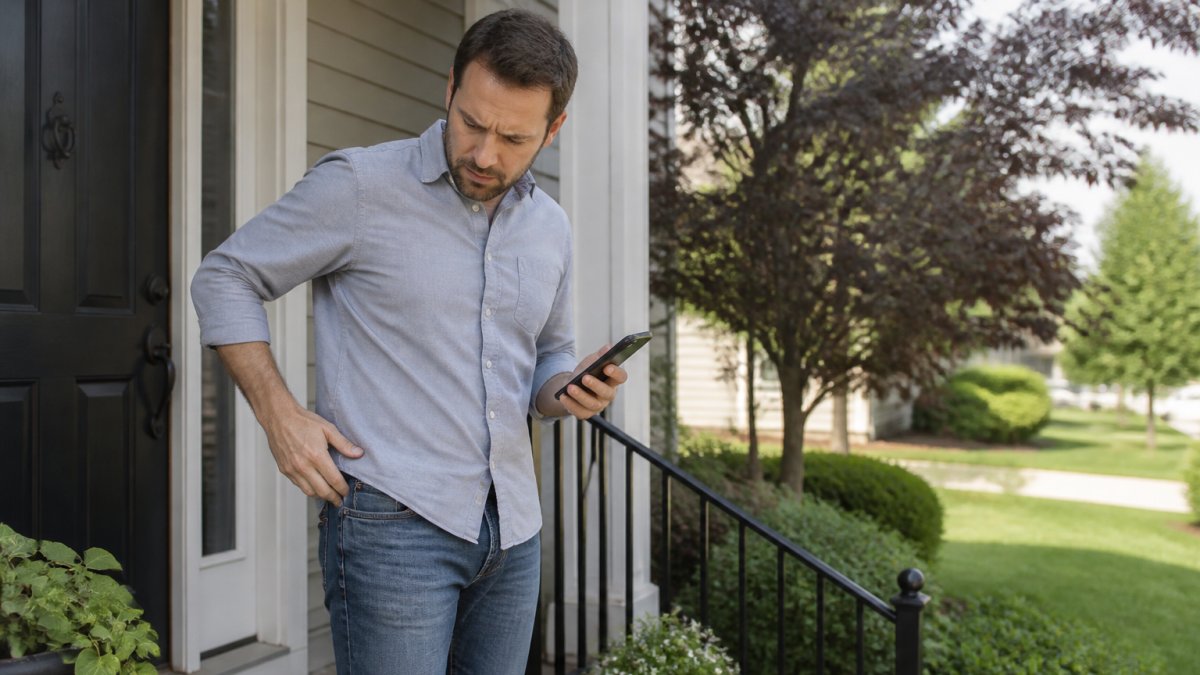
Retrace Your Steps and Check Likely Spots
Start where you last had the keys and walk your route in reverse:
- Pockets, bags, and jacket linings
- Your car, including under the seats and in the console
- The last store, restaurant, or office you visited
Check twice, keys hide in plain sight.
Call the Places You Visited
Call every business you stopped at that day and ask for lost and found. A store, library, or parking lot office often holds items for days before logging them.
Leave your name and number in case a key turns up, and contact any rideshare or taxi company you used.
Should You Change Locks After Losing House Keys?
Not every lost key demands a new lock, but the ones that do demand it fast. The question is simple: could a stranger connect these keys to your door? If yes, treat the lock as compromised until you rekey or replace it.
The exposure test: four questions to answer in the first hour
Each "yes" raises the risk.
- Was anything with your address on it lost at the same time? A wallet, mail, a package slip, a pet tag, or a car registration with your street on it turns an anonymous key into a map.
- Were the keys lost at or near your home? Keys dropped in your driveway, on your porch, in your yard, or in the parking lot of your building are far more dangerous than keys left at a restaurant across town.
- Were they stolen rather than misplaced? A stolen key means someone chose to take it. That is a different threat than a key that fell out of a pocket.
- Do the keys carry any identifier? A loyalty tag, a keychain with your name, a mailbox key on the same ring, or a fob paired to your car all narrow the search for whoever finds them.
If you answered yes to any of the first three, plan to rekey or replace. If no to all four, you can wait and see whether the keys turn up, while watching your home for anything unusual.
Why "lost near home" is the line that matters most
A key by itself opens a lock. A key plus an address opens your lock. Most break-ins tied to lost keys follow one pattern: the keys and something identifying were lost together, or the keys were lost close enough to home that the finder could try nearby doors. A key ring found two towns over rarely leads anywhere.
What each option actually changes
- Do nothing: the lost key still opens your door. Acceptable only when exposure is clearly low and no identifying information was attached.
- Rekey: the lock body stays; the internal pins change so the old key no longer works. Cheaper and faster than replacement, and it fully solves the "someone has my key" problem.
- Replace the lock: a new lock and new keys. Choose this when the hardware is worn or damaged, or you want to upgrade to a higher-security or smart lock.
A simple decision rule
| What happened | Risk level | Recommended action |
|---|---|---|
| Lost far from home, nothing identifying attached | Low | Keep looking; no lock change required |
| Lost near home, no ID | Moderate | Rekey the entry locks as a precaution |
| Lost with ID, mail, or a wallet | High | Rekey or replace immediately |
| Stolen, with or without ID | High | Rekey or replace immediately; consider filing a police report |
If you rent, tell your landlord before changing anything, in most leases the locks are the owner's responsibility. If you own, the decision is yours, and a licensed locksmith can rekey a standard entry lock in one visit.
How to Get Back Inside Without Breaking In
Getting back inside is a sequence, not a scramble. Work it from least disruptive to most and you will almost always avoid damage, injury, and a repair bill.
Step 1: Confirm you are actually locked out
Walk the perimeter and check every exterior door, front, back, side, garage, basement, patio, plus sliding doors and windows you may have left unlocked. A surprising share of "lockouts" end at an unsecured back door. Do this in daylight if you can, and never climb onto roofs, fences, or second-story ledges; falls cause more lockout injuries than locks do.
Step 2: Call the people who may already have a key
- Household members or roommates, the fastest fix if anyone is home or nearby.
- A neighbor you trust, especially if you have ever left a spare with them.
- A family member or friend who keeps a backup.
Step 3: Contact a licensed locksmith
If no one can let you in, a licensed locksmith is the safe, lawful route. A professional can open most residential doors without damage using non-destructive tools, then rekey or cut new keys on the spot. Before hiring anyone, ask:
- Are you licensed and insured?
- What is the total price, including any after-hours or trip fee?
- Will you show identification and confirm the address before starting?
A legitimate locksmith will answer all three without hesitation. Be cautious of anyone who quotes a low price then raises it on arrival, or demands cash before showing credentials.
Step 4: If you rent, use your lease's access clause
Most leases require the landlord to provide a working key and respond to lockout requests, often within a set number of hours. Check your lease for the after-hours contact; some properties charge a lockout fee, others cover it. If your landlord cannot be reached and you are locked out in unsafe conditions, a locksmith is still reasonable, keep the receipt and notify the landlord in writing afterward.
Step 5: Emergency services, when they are and are not the answer
Call the police or fire department only for emergencies: a child, pet, or person locked inside; a medical need; a fire or gas smell; or an active safety threat. Non-emergency police lines can take a report if your keys were stolen, but they do not open doors for routine lockouts. Fire departments may assist in genuine emergencies but are not a lockout service and may cause damage.
What not to do
- Do not try to pick your own lock with improvised tools, you can jam the cylinder and turn a simple rekey into a full lock replacement.
- Do not send a child or anyone else through a window or pet door.
- Do not accept help from an unlicensed stranger who offers to "get you in."
If you are locked out with no phone or wallet
Ask a trusted neighbor to call a locksmith or let you use their phone. Identification in your car helps verify you belong at the address. Without it, expect to show proof of residency, a piece of mail, a lease, or a neighbor's confirmation, before the door is opened.
When to Call a Locksmith to Replace Lost House Keys
Call a locksmith when you can't get in, need locks rekeyed, or want replacement keys cut. A locksmith to replace lost house keys handles entry, rekeying, and new key cutting in one visit.
Reach out right away if:
- You're locked out and have no spare
- Your keys were stolen
- You want the locks rekeyed for peace of mind
At Lock it All Locksmithing, our team handles residential lockouts, rekeying, and replacement keys across the area, plus automotive keys and commercial access control.
Cost to Replace House Keys and What Affects It
The cost to replace house keys depends on several factors, so there's no flat number.
What affects the cost:
- Lock type: standard locks cost less to service than high-security models
- Time of call: emergency and after-hours visits usually cost more
- Service needed: cutting a key, rekeying, or replacing the lock are different jobs
Because rates change, call for a current quote rather than trusting an online estimate, and ask for the total before work begins.
| Situation | Best First Move | Why |
|---|---|---|
| Key lost far from home, no ID | Retrace and call lost and found | Low risk, may still turn up |
| Key lost near home or with ID | Rekey or replace locks | Prevents unauthorized access |
| Locked out, no spare | Call a locksmith | Safe entry, no damage |
| Key stolen | Rekey immediately | Closes the security gap |
Preventing the Next Lockout: Backup Keys and Smart Locks
Prevention is cheaper than a repeat lockout. What we suggest to every homeowner:
- Give a spare key to a trusted neighbor or family member
- Keep a backup key in a secure lockbox, not under the mat
- Store a key with a nearby friend or your parents
Renters should ask their landlord about spare-key and lock-change policies; owners can use a smart lock for emergency access without hiding a physical key.
Conclusion: Regaining Access and Peace of Mind
Losing every house key feels like a crisis, but it has clear steps and fixes. When you need entry, rekeying, or replacement keys, a licensed locksmith gets you back inside without damage.
Lock it All Locksmithing offers residential, automotive, and commercial locksmith services, including expert car key replacement, key fob programming, and remote start installation.
Get started with Lock it All Locksmithing and regain access with confidence. Call 615-810-7304.
Frequently Asked Questions
What should I do first if I lose all my house keys?
Start by retracing your steps and checking the places you visited most recently, such as your car, workplace, or a store counter. Call any businesses or friends you saw that day to ask if a key was turned in. If you have a spare key with a neighbor or family member, contact them. If you cannot find the keys within a short time, call a licensed locksmith to help you get back inside without damaging your door.
Should I change or rekey my locks after losing my house keys?
If your keys were lost and could have your address attached, rekeying or changing the locks is the safest choice. Rekeying costs less than full lock replacement and makes your old keys useless. If your keys were simply misplaced inside your home, you may not need to rekey. A locksmith can help you decide based on whether the keys had identifying information and how likely they are to be found by a stranger.
How much does it cost to replace lost house keys?
The cost to replace house keys depends on the type of key, whether you need a locksmith to come to you, and whether you choose rekeying or full lock replacement. Standard key duplication is inexpensive, while emergency lockout service and rekeying cost more. Because pricing varies by time of day, location, and lock type, contact Lock it All Locksmithing directly for a quote based on your specific situation.
Can a locksmith make a new key without the original?
Yes. A locksmith can create a new key by picking or impressioning the lock to determine the correct cuts, or by removing the lock cylinder and cutting a key to match. For high-security or smart locks, the process may require programming a new fob or using manufacturer software. A licensed locksmith carries the tools to handle most residential locks on site, so you do not need the original key to regain access.
Why Nashville drivers choose Lock it All Locksmithing
We are a locally owned, licensed and insured mobile locksmith serving Nashville, Antioch, Brentwood, Franklin, Smyrna, La Vergne, Murfreesboro, Hermitage and Mt. Juliet. You speak directly with the technician who does the work, get an honest price before we dispatch, and we arrive in a fully stocked service vehicle so most jobs finish in a single visit — usually within 20 to 45 minutes of arriving. No towing, no dealership appointment, no surprise fees.
How the visit works
- Tell us the details: call, text or send the quote form with your vehicle's year, make and model, or a description of your lock problem.
- Get an exact price: we quote parts, cutting, programming and travel up front.
- We come to you: our mobile workshop meets you at home, work or roadside.
- Done on the spot: keys are cut, programmed and tested with you before we leave.
Areas we serve
Nashville, Antioch, Brentwood, Franklin, Smyrna, La Vergne, Murfreesboro, Hermitage and Mt. Juliet. If you're outside these areas, call 615-810-7304 to confirm whether we can help.
What our customers say
Best locksmith in town excellent service and great price !!
— Adrian Fiorito, 5 stars.Very wonderful service, strong quality, great prices, and it does not take long.
— George Yacoub, 5 stars.Great customer service - Professional - Fast Highly recommend.
— Jan Daoud, 5 stars.
Rated 5 stars across 100+ verified Google reviews. Call or text 615-810-7304 or email info@lia-locksmith.com.