How to Prevent Car Lockouts Step by Step
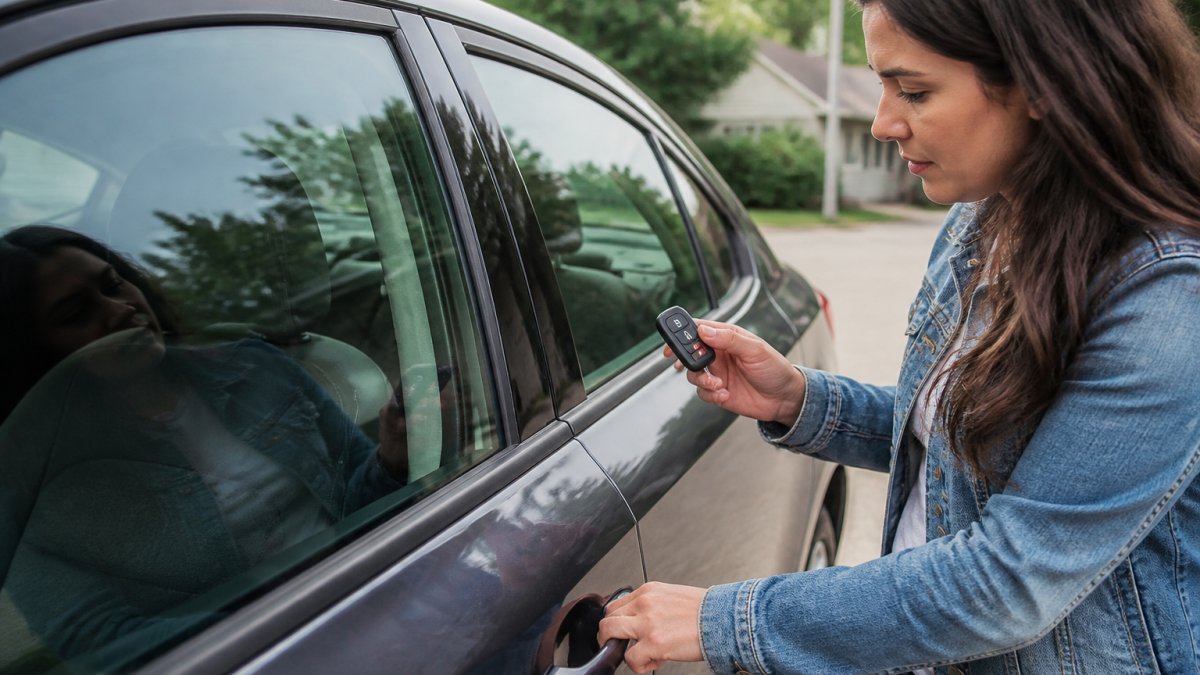
Learn how to prevent car lockouts step by step, including key fob battery replacement, spare car key options, and keyless entry troubleshooting tips.
Table of Contents
- How to Prevent Car Lockouts: A Step-by-Step Routine
- Key Fob Battery Replacement and Maintenance Signs
- Spare Car Key Options and Safe Storage
- Keyless Entry System Troubleshooting Before It Locks You Out
- What to Do When Locked Out of Car: Emergency Steps
- Prevention for Families, Caregivers, and Shared Vehicles
- Conclusion
- Frequently Asked Questions
Last Updated: October 15, 2026
How to Prevent Car Lockouts: A Step-by-Step Routine
A car lockout is the moment you realize your keys are on the seat and the door is shut. It is one of the most common and most preventable vehicle problems. At Lock it All Locksmithing, we handle these calls every week, and almost none of them had to happen. The fix is a routine you build once and repeat every single time you park.
Here is the good news: preventing car lockouts takes about three seconds per stop. Below, we break down a step-by-step routine, plus what to do with spare keys, fobs, and modern keyless systems.
The core habit is simple. Keep your keys on your person, never in the car.
The key-in-hand ritual
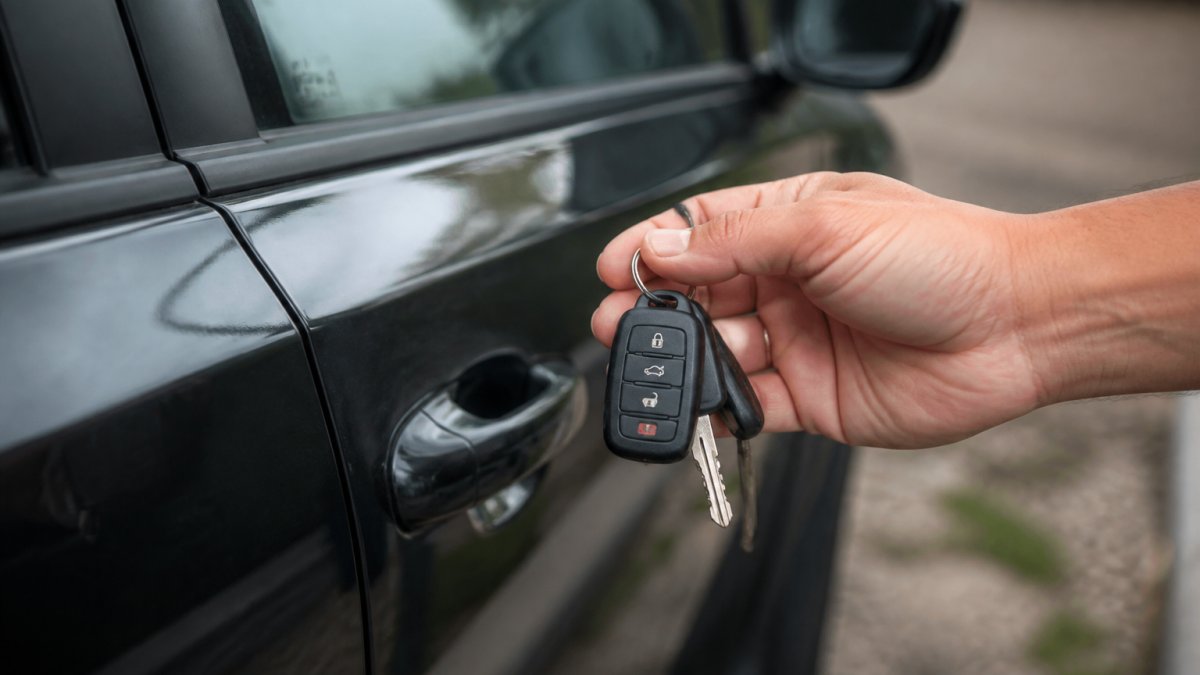
The key-in-hand ritual is a physical reminder that stops most lockouts before they start. You hold your keys in your hand as you exit, and you do not let go until the door is shut and you are standing outside.
Try these steps:
- Turn off the engine and grab your keys first.
- Hold the keys in your hand, not your lap or the cup holder.
- Step out with keys in hand.
- Shut the door only after you feel the keys in your grip.
- Press the lock button while the keys are still in your hand.
That last step matters. If the keys are in your hand, they cannot be locked inside.
Physical reminders that work
Some drivers need a backup cue. A physical reminder attaches to your keys so you notice them before you walk away.
- A lanyard you wear around your neck
- A carabiner clipped to your belt or bag
- A retractable keychain on your hip
- A bright keychain tag you can see in your pocket
The goal is the same every time: keys on your body, never on the seat, console, or trunk floor. A routine check before closing the car door is the single habit that prevents most vehicle lockouts.
Key Fob Battery Replacement and Maintenance Signs
A dead key fob battery is a leading cause of lockouts, especially with keyless entry. When the fob dies, the car may not sense the key, and the doors can lock with the fob still inside.
Watch for these warning signs:
- The unlock range gets shorter
- You have to press buttons more than once
- The fob light looks dim or flickers
- The car sometimes fails to start
Most fobs use a small coin-cell battery you can replace yourself. Check your owner's manual for the exact type, then swap it every year or two. A worn key can also fail to turn in the ignition, so inspect the teeth for rounding.
Spare Car Key Options and Safe Storage
A spare car key is your best insurance against a lockout. But where you store it matters as much as having it.
| Option | Best For | Tradeoff |
|---|---|---|
| Spare fob in your bag | Daily drivers | Must remember to carry it |
| Backup key at home | Most households | Useless if you are far away |
| Key with a trusted person | Families, shared cars | Requires coordination |
| Magnetic hide-a-key box | Older cars only | Easy for thieves to find |
A magnetic hide-a-key box under the wheel well is a common choice, and a risky one. Thieves know exactly where to look. A better plan is a backup key kept somewhere safe and accessible, like a locked drawer at home or with a family member.
For newer vehicles, a digital key or phone-based key can act as a backup. Just remember that phone keys depend on a charged battery and a working app.
When you need a spare cut or a fob programmed, a professional locksmith can handle it. Lock it All Locksmithing programs key fobs and cuts replacement keys for modern vehicles, so you are not stuck waiting on a dealership appointment.
Keyless Entry System Troubleshooting Before It Locks You Out
Keyless entry and smart technology add convenience, but they also add new ways to get locked out. The car can lock itself when the fob drifts out of range, when a phone key loses its connection, or when a fob battery fades below the threshold the antenna needs to read it. Most competitors stop at "replace the battery." Here is what is actually happening and how to verify your backup entry method before it fails.
Why keyless systems lock you out
A keyless fob is a small radio transmitter. The car's antennas look for that signal within a short radius, often about three feet around the door and cabin. When the fob battery weakens, the signal range shrinks. You can still unlock from a few inches away, but the car may no longer sense the fob inside the cabin, so it assumes no key is present and allows the doors to lock. The same thing happens when a phone key loses Bluetooth or cellular connectivity, or when the phone battery dies.
A common pattern is a fob that works fine in the morning and fails in the afternoon. That is usually a battery on the edge, not a broken system.
Warning signs to catch before a lockout
- The unlock range gets shorter, you have to stand closer to the door.
- You have to press buttons more than once, or the fob light looks dim or flickers.
- The car sometimes fails to start on the first push, especially in cold weather.
- The dashboard shows a "key not detected" or "key battery low" message.
- Your phone key app disconnects, or the phone has dropped below about 20 percent battery.
A verification routine for your backup entry method
Do not wait for a failure to find out whether your backup works. Run this check once a month:
- Replace the fob battery on a schedule, most coin-cell fobs last one to two years, and cold weather shortens that.
- Test the physical backup. Most fobs hide a metal key inside the shell; find the release tab, pull the key, and confirm it opens the driver's door.
- Test the hidden keyhole. On many vehicles it sits behind a small cap on the door handle. Know where yours is before you need it.
- Test the phone key with the phone in airplane mode. If the app requires a connection, you now know it will not work in a dead zone.
- Confirm the emergency start method. Many push-button cars have a spot, often the cupholder or a marked panel, where you hold the fob against the button to start with a dead battery.
- Keep a spare fob battery in the glove box, and note the size from your owner's manual.
When to get the system checked
If the doors lock on their own, if the fob works only when held against the door, or if the car intermittently fails to recognize a fresh battery, treat it as a warning. A failing antenna, a weak vehicle battery, or a worn door sensor can all cause the same symptom. Get the system checked before it strands you in a parking lot.
What to Do When Locked Out of Car: Emergency Steps
If you are already locked out, stay calm and work through these steps in order:
- Check every door, including the trunk and rear doors.
- Look for a spare key with a family member or at home.
- Call roadside assistance if your plan covers lockouts.
- Call a professional locksmith for fast vehicle access.
Do not try to pry the door with a coat hanger, wedge, or slim jim. These lockout tools damage weather stripping, glass, and door mechanisms. A repair bill for door damage often costs far more than a professional unlock.
A trained locksmith uses proper lockout tools and a lockout kit to open your car without harm. For a reliable, no-damage unlock, call Lock it All Locksmithing at 615-810-7304.
Prevention for Families, Caregivers, and Shared Vehicles
Shared vehicles and family cars need extra rules, because more drivers mean more chances for a mistake. Children, pets, and vulnerable passengers make this serious.
Set these habits:
- Every driver carries their own key
- Keep a backup key with a trusted adult
- Teach kids never to play with the fob
- Check the back seat before locking any door
If a child or pet is locked inside, call 911 first. Do not wait and do not break a window unless there is an immediate danger. Emergency responders can open the vehicle fast.
Conclusion
A lockout is a small mistake with a big cost in time and stress. The routine is easy: keep keys on your person, maintain your fob, and store a spare key wisely.
When prevention fails, you want a team that knows modern key systems. Lock it All Locksmithing offers car key replacement, key fob programming, and remote start installation, backed by professional service for vehicles, homes, and businesses. Get started with Lock it All Locksmithing and keep your keys, your car, and your day moving.
Frequently Asked Questions
Where should I keep my car keys when I get out of the vehicle?
Always keep your keys on your person, such as in your pocket, purse, or bag, rather than leaving them in the car. This simple habit prevents lockouts. Use a lanyard, carabiner, or retractable keychain attached to your clothing to make it harder to forget. Before closing the door, pat your pocket or check your bag to confirm the keys are with you. This routine check takes only a second and can save you from a costly lockout.
What should I do if my key fob battery is weak?
If you notice your key fob is less responsive or requires multiple presses, replace the battery soon. Key fob battery replacement is inexpensive and can be done at home or by a locksmith. A weak battery can cause the keyless entry system to malfunction, potentially locking you out. Keep a spare battery in your glove box or at home. If you're unsure how to replace it, consult your owner's manual or visit a professional locksmith for assistance.
Can a car lock itself with the keys inside?
Yes, many modern cars with keyless entry can lock automatically if the key fob is inside and certain conditions are met, such as the engine running or the doors closing. To prevent this, never leave your keys inside, even briefly. Use the key-in-hand ritual: hold your keys until you are outside and the door is closed. If your car has an auto-lock feature, check the settings and disable it if possible. Regular keyless entry system troubleshooting can help you understand your car's behavior.
What should I do if I get locked out of my car?
If you get locked out of your car, first check all doors and the trunk in case one is unlocked. If not, call a professional locksmith or roadside assistance. Avoid using coat hangers or slim jims, as they can damage your door. If a child or pet is inside, call 911 immediately. For non-emergencies, a locksmith can provide safe, damage-free entry. Lock it All Locksmithing offers emergency car lockout services; call 615-810-7304 for help.
Why Nashville drivers choose Lock it All Locksmithing
We are a locally owned, licensed and insured mobile locksmith serving Nashville, Antioch, Brentwood, Franklin, Smyrna, La Vergne, Murfreesboro, Hermitage and Mt. Juliet. You speak directly with the technician who does the work, get an honest price before we dispatch, and we arrive in a fully stocked service vehicle so most jobs finish in a single visit — usually within 20 to 45 minutes of arriving. No towing, no dealership appointment, no surprise fees.
How the visit works
- Tell us the details: call, text or send the quote form with your vehicle's year, make and model, or a description of your lock problem.
- Get an exact price: we quote parts, cutting, programming and travel up front.
- We come to you: our mobile workshop meets you at home, work or roadside.
- Done on the spot: keys are cut, programmed and tested with you before we leave.
Areas we serve
Nashville, Antioch, Brentwood, Franklin, Smyrna, La Vergne, Murfreesboro, Hermitage and Mt. Juliet. If you're outside these areas, call 615-810-7304 to confirm whether we can help.
What our customers say
Best locksmith in town excellent service and great price !!
— Adrian Fiorito, 5 stars.Very wonderful service, strong quality, great prices, and it does not take long.
— George Yacoub, 5 stars.Great customer service - Professional - Fast Highly recommend.
— Jan Daoud, 5 stars.
Rated 5 stars across 100+ verified Google reviews. Call or text 615-810-7304 or email info@lia-locksmith.com.