Emergency Residential Lock Repair: What to Do Now
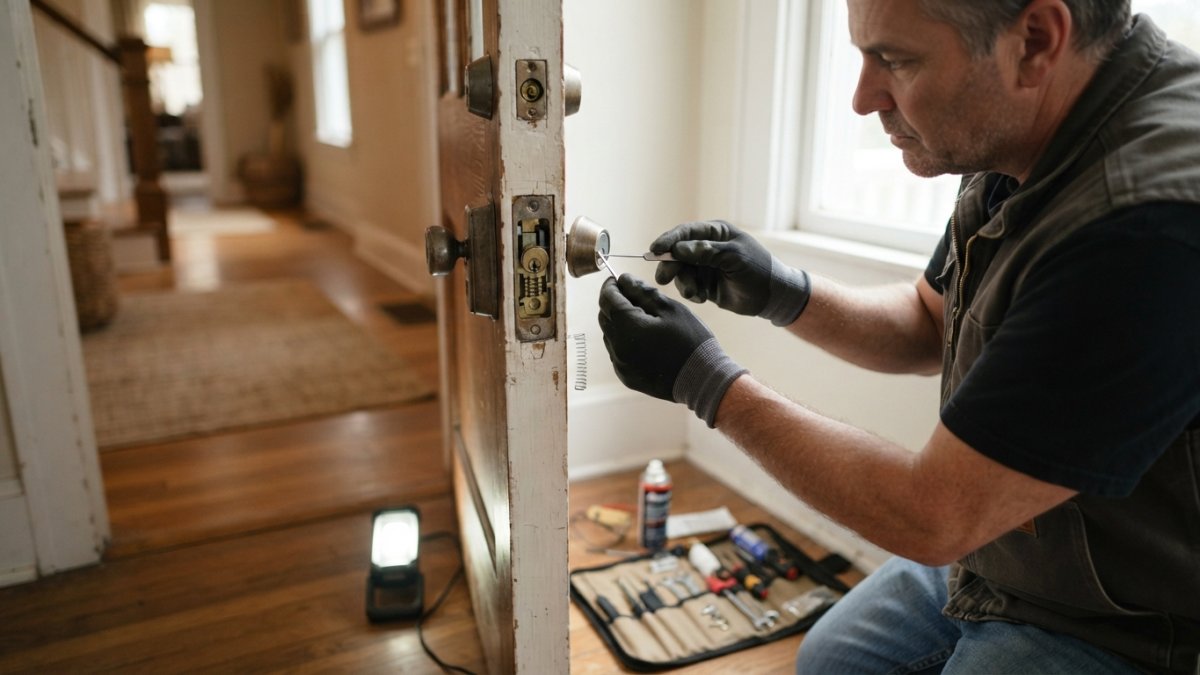
Emergency residential lock repair: Locked out or facing a broken lock?
Table of Contents
- What to Do Right Now if You're Locked Out
- Emergency Locksmith for Home: When to Call and What to Expect
- Diagnosing Your Lock Problem: Repair, Rekey, or Replace
- House Lock Replacement: Signs You Need a Full Replacement
- Rekey House Locks: A Smarter Alternative to Replacement
- Emergency Locksmith Response Time: What's Reasonable
- How to Verify a Locksmith Before They Arrive
- Temporary Security Measures While You Wait
- Frequently Asked Questions
Last Updated: October 21, 2026
What to Do Right Now if You're Locked Out
You're locked out, so stay calm and assess your situation. Check for a window or door you can safely access without breaking glass, and if a trusted neighbor has a spare key, that's your fastest option.
If you don't have immediate access, call an emergency residential lock repair service. Before you dial, lock any other doors and windows you can reach, and in poor weather move to a safe, well-lit spot where the technician can find you.
Have your address ready and be prepared to show identification when the locksmith arrives, since any professional service verifies you live there before opening your door.
Emergency Locksmith for Home: When to Call and What to Expect
An emergency locksmith for home situations is your solution when you're locked out and can't wait for business hours. Knowing what happens next helps you prepare mentally and financially.
You'll reach a dispatcher who asks your address, whether you're locked inside or outside, and about security concerns, then gives an estimated arrival time and may ask you to verify ownership.
When the technician arrives, they'll examine your lock to determine the best entry method. They'll use specialized tools to manipulate the mechanism without damage when possible, though damage is sometimes unavoidable with older or already-compromised locks.
At Lock it All Locksmithing, we prioritize non-destructive entry methods. Our team uses professional-grade picks, tension tools, and bypass techniques before considering any lock damage. We'll explain what we're doing and why, so you understand the process and any costs involved.
Diagnosing Your Lock Problem: Repair, Rekey, or Replace
Not every lock problem requires the same solution. Diagnosing the actual fault helps you choose correctly and avoid unnecessary expense.
Common Residential Lock Failures
A jammed lock is one of the most common problems homeowners face, usually caused by dirt, debris, or a bent key forcing the cylinder out of alignment. The key won't turn smoothly or sticks halfway. Cleaning and lubrication often fixes it.
A broken key stuck in the lock is another frequent issue, usually from an old key breaking under pressure or a worn key being forced into the cylinder. The fragment blocks the mechanism until removed; a locksmith extracts it and repairs or replaces the lock depending on internal damage.
Worn keys that no longer fit properly suggest a deteriorating mechanism. Internal pins wear down, and eventually the key turns but won't set the bolt, leaving your door unlocked when you think it's secured, a security risk that demands attention.
A damaged lock cylinder from attempted break-ins or weathering is serious. Forced entry, rust, or corrosion makes the lock unreliable, and salt air near coasts or freeze-thaw cycles in cold climates can cause metal components to corrode and seize.
When to Repair vs. Replace vs. Rekey
The decision between repair, replacement, and rekeying depends on the lock's age, condition, and your security goals.
Repair makes sense when the problem is minor and the lock is otherwise sound: a jammed lock that responds to cleaning, a stuck bolt needing adjustment, or a worn spring. Repairs are an affordable option and preserve your hardware, but aren't viable if the cylinder is cracked or the pins are worn beyond adjustment.
Rekeying changes who can open your lock without replacing the fixture: the cylinder is removed and internal pins reconfigured so old keys stop working and new ones take over. It's ideal after moving in or losing keys.
Replacement is necessary when the lock is damaged beyond repair, you want a higher-security upgrade, or the existing lock doesn't meet your standards. Modern locks offer anti-pick pins, reinforced strike plates, and smart-lock integration; if yours is over 15 years old or shows corrosion or forced-entry signs, replacement is safer.
House Lock Replacement: Signs You Need a Full Replacement
Sometimes rekeying or repair isn't enough. Your lock might need complete replacement if any of these conditions apply.
Visible damage, cracks in the housing, a bent bolt, or rust that won't clean off means replacement. Structural damage makes the lock unreliable: a cracked cylinder can't hold pins securely, and a bent bolt won't retract or extend properly.
Old locks in place for decades are replacement candidates even if they still work, since older pin-tumbler locks are vulnerable to picking and bumping that modern locks resist. Upgrading to a contemporary anti-pick lock is worth the investment.
Locks showing forced entry, scratches around the keyhole from picking attempts, or a bolt that doesn't fully engage should be replaced immediately, not rekeyed. An intruder who already attempted entry knows the lock's vulnerabilities.
If your exterior doors lack deadbolts, adding them during a house lock replacement project strengthens security significantly. A deadbolt can't be forced open like a spring latch, and paired with reinforced strike plates it creates a serious barrier to forced entry.
Rekey House Locks: A Smarter Alternative to Replacement
Rekeying is a practical middle ground between repair and replacement. When you rekey house locks, the internal configuration changes so old keys stop working and new keys take over.
If you've just moved in, rekeying all exterior locks ensures previous owners, real estate agents, and contractors can no longer access your property. You don't know how many key copies exist or who holds them; rekeying eliminates that uncertainty.
If you've lost your keys or had them stolen, rekeying is faster and cheaper than replacing every lock, and your lost keys become useless without the expense of new hardware.
Rekeying also lets you use one key for multiple locks. If your front, back, and garage doors each have different keys, rekeying them to operate on the same key, called "keying alike," simplifies life and is a common request.
The locksmith removes the cylinder, takes it apart, and reconfigures the pins; the existing lock stays in place, preserving your hardware and avoiding the mess and expense of drilling.
Emergency Locksmith Response Time: What's Reasonable
Response time varies with demand, location, and traffic. Knowing what's realistic helps you manage expectations during a stressful situation.
Location matters: dense residential areas near the service base get faster arrival, while rural or distant locations take longer. Traffic also plays a role; a technician 10 minutes away by distance might take 30 minutes by car during rush hour.
When you call for an emergency locksmith response time, ask the dispatcher for a specific window, not just "we'll be there soon." A professional gives a realistic estimate like "two calls ahead of you; expect 45 to 60 minutes," helping you decide where to wait.
How to Verify a Locksmith Before They Arrive
Before giving a locksmith access to your home, verify they're legitimate to protect yourself from fraud, theft, and sloppy work.
Check credentials first: ask for the business license number and verify it with your state's licensing board (many states require licensing, and a legitimate locksmith will provide proof). Also ask for general liability and workers' compensation insurance, which legitimate services carry and unlicensed operators often don't.
Check reviews on Google, Yelp, and the Better Business Bureau, looking for patterns rather than one or two complaints. A few negatives among dozens of positives is normal; if most are negative or mention overcharging, choose another service.
Ask about their pricing structure before they arrive. Legitimate services quote estimates over the phone or provide a clear breakdown of charges: service call fee, entry method fee, lock repair or replacement fee, and any parts. If a locksmith refuses to discuss pricing or gives vague answers, that's a red flag.
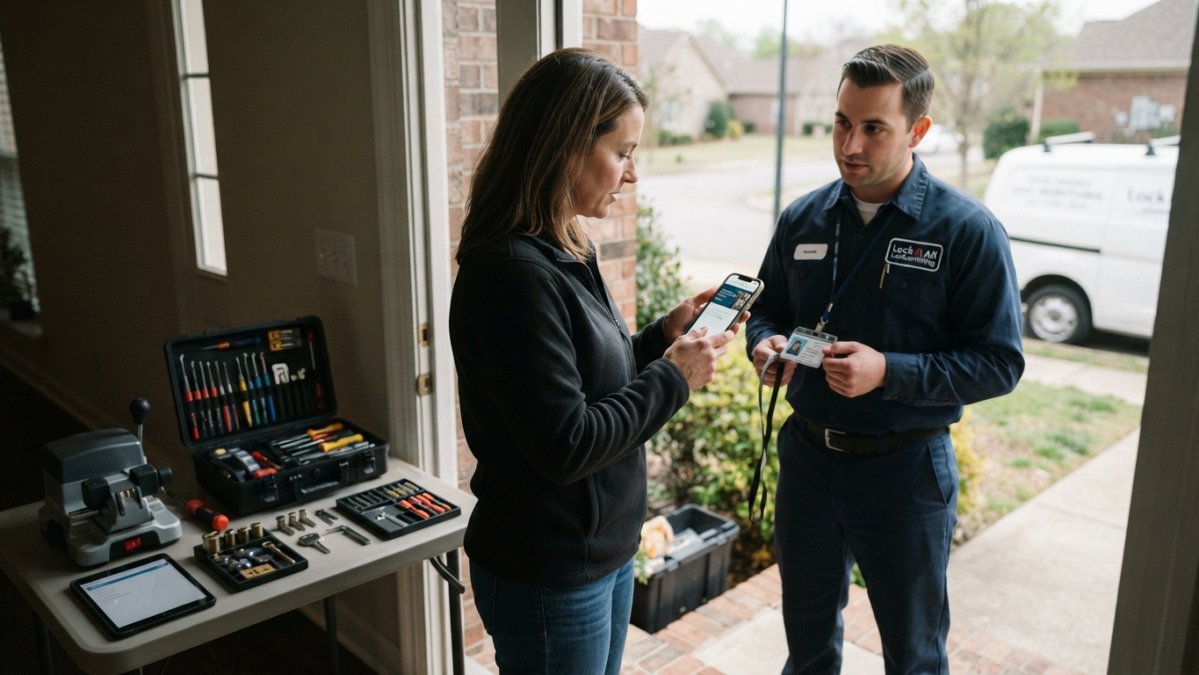
When the technician arrives, verify their identification. They should have a company vehicle with the business name clearly marked, a company ID badge, and professional tools. If someone shows up in an unmarked car with minimal equipment, send them away.
At Lock it All Locksmithing, we understand your caution. Our team carries current identification, arrives in marked vehicles, and provides written estimates before beginning work. We're licensed and insured, and we're happy to provide references from previous customers.
Temporary Security Measures While You Wait
While you wait for the locksmith to arrive, take steps to secure your home and protect your belongings.
If you're locked outside, stay in a visible, well-lit area. Don't hide in bushes or dark corners, you want the technician to see you easily. If you're locked inside but unable to secure other entry points, move valuables away from windows and doors. Close interior doors to limit access to your most valuable items if someone does break in.
If your lock is damaged or compromised, don't leave your home unattended. Stay present so you can monitor who enters and exits. If you must leave, ask a trusted neighbor to watch the property or ask the locksmith to secure the door after entry.
For a jammed lock that you can still operate partially, try lubricating it with graphite powder or a silicone-based lubricant. Spray lubricants can help, but avoid oil-based products that attract dirt. Sometimes a stuck lock responds to gentle rocking of the key while applying steady turning pressure. Don't force it, excessive pressure can break the key or damage the mechanism further.
If your key is broken in the lock, don't try to extract it yourself. Tweezers or pliers can damage the lock cylinder further. Leave it for the locksmith. They have specialized extraction tools that remove broken keys without harming the lock.
If you're concerned about security while waiting, ask neighbors to keep an eye on your home. If you have a security system, make sure it's armed. If you don't have one, this lockout might be the moment to consider installing one, a camera system or smart lock can prevent future lockouts and provide peace of mind.
Getting locked out of your home is stressful, but the right response and the right locksmith make it manageable. At Lock it All Locksmithing, we specialize in emergency residential lock repair and understand the urgency of your situation. Our team provides professional service that prioritizes your security and peace of mind. When you need help, call us at 615-810-7304 to discuss your lock problem.
| Situation | Best Solution | Timeframe | Cost Level |
|---|---|---|---|
| Locked out, working lock | Emergency entry service | 30-90 minutes | Standard |
| Jammed lock, no damage | Cleaning and lubrication | 15-30 minutes | Low |
| Broken key in lock | Key extraction and repair | 20-40 minutes | Low to moderate |
| Worn or damaged lock | Lock replacement or rekeying | 45-90 minutes | Moderate to high |
| Multiple keys needed | Rekey all locks alike | 2-3 hours | Moderate |
| Compromised lock after break-in | Immediate replacement | 1-2 hours | High |
Frequently Asked Questions
How quickly can an emergency locksmith repair a residential lock?
Response times vary based on demand and service area. Factors that affect speed include time of day, your location, and current call volume. When calling an emergency locksmith for home services, ask about their estimated arrival time upfront so you can plan accordingly. Verify their service area covers your address before confirming the appointment.
Should I rekey or replace a lock after losing a house key?
Rekeying house locks changes the internal mechanism so old keys no longer work, while the lock hardware stays in place. Replacement is necessary only if the lock is damaged, worn out, or you want to upgrade to a higher-security model. A professional locksmith can assess your specific lock during an inspection and recommend which option makes sense for your situation and budget.
How can I verify an emergency locksmith before hiring them?
Ask for their license number and verify it with your state's licensing board. Request proof of insurance and bonding. Check online reviews on independent platforms. Confirm they provide a written estimate before starting work and clarify their pricing structure, including service call fees and labor rates. Legitimate locksmiths are transparent about credentials and won't pressure you to hire them on the spot.
What should I do if my house lock stops working?
First, determine whether the lock is jammed, the key is broken, or the mechanism is damaged. Try lubricating the lock with graphite powder (not oil) to see if it frees up. If that doesn't work, contact a professional residential locksmith. They can diagnose whether the lock needs repair, rekeying, or replacement. Don't force the lock or key, as this can cause further damage and make the repair more expensive.
Why Nashville drivers choose Lock it All Locksmithing
We are a locally owned, licensed and insured mobile locksmith serving Nashville, Antioch, Brentwood, Franklin, Smyrna, La Vergne, Murfreesboro, Hermitage and Mt. Juliet. You speak directly with the technician who does the work, get an honest price before we dispatch, and we arrive in a fully stocked service vehicle so most jobs finish in a single visit — usually within 20 to 45 minutes of arriving. No towing, no dealership appointment, no surprise fees.
How the visit works
- Tell us the details: call, text or send the quote form with your vehicle's year, make and model, or a description of your lock problem.
- Get an exact price: we quote parts, cutting, programming and travel up front.
- We come to you: our mobile workshop meets you at home, work or roadside.
- Done on the spot: keys are cut, programmed and tested with you before we leave.
Areas we serve
Nashville, Antioch, Brentwood, Franklin, Smyrna, La Vergne, Murfreesboro, Hermitage and Mt. Juliet. If you're outside these areas, call 615-810-7304 to confirm whether we can help.
What our customers say
Best locksmith in town excellent service and great price !!
— Adrian Fiorito, 5 stars.Very wonderful service, strong quality, great prices, and it does not take long.
— George Yacoub, 5 stars.Great customer service - Professional - Fast Highly recommend.
— Jan Daoud, 5 stars.
Rated 5 stars across 100+ verified Google reviews. Call or text 615-810-7304 or email info@lia-locksmith.com.