Emergency Locksmith Service Call Fees: 2026 Cost Guide
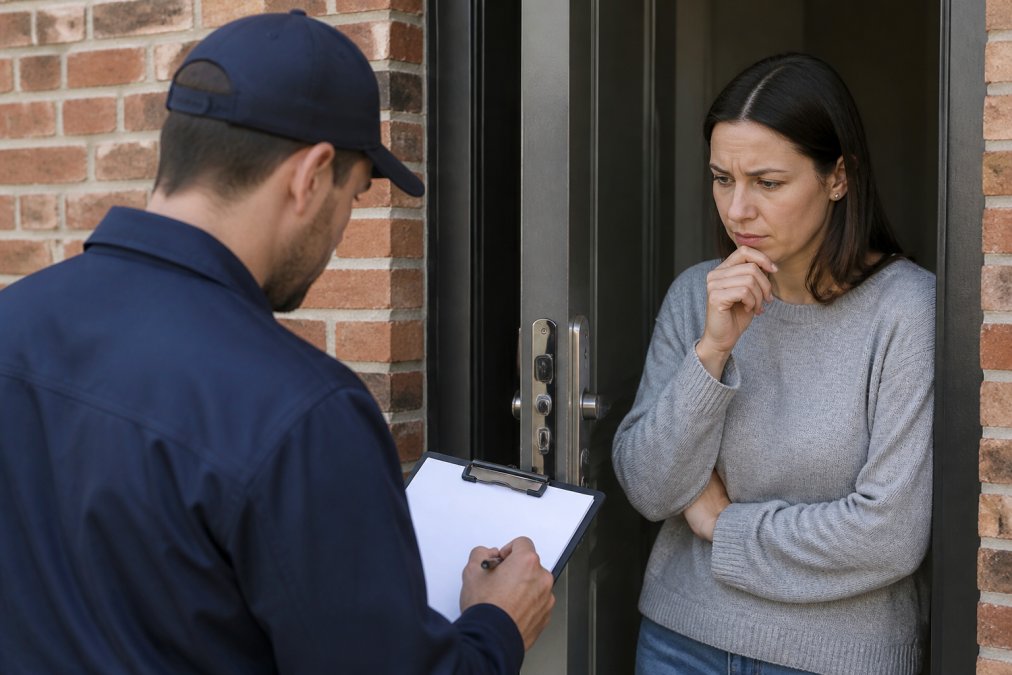
Understand emergency locksmith service call fees, after-hours rates, and how to avoid scams. Get transparent pricing insights before you hire.
Table of Contents
- Average Locksmith Service Call Fees in 2026
- What Drives Emergency Lockout Service Cost?
- After-Hours Locksmith Rates: Night, Weekend, and Holiday Surcharges
- Residential vs. Commercial Lockout Costs: Key Differences
- Residential vs. Commercial Lockout Costs: Key Differences
- How to Avoid Locksmith Scams: Verify Credentials and Pricing
- Insurance and Warranty Coverage for Locksmith Fees
- Payment Transparency and Invoice Breakdown
- Frequently Asked Questions
Last Updated: September 24, 2026
Average Locksmith Service Call Fees in 2026
Emergency locksmith service call fees typically combine a base trip charge with a labor rate, and the total climbs sharply once you add after-hours surcharges. Most homeowners are surprised by how much of the final bill comes from the call-out itself rather than the actual lock work. This guide breaks down what you are really paying for, how to spot inflated quotes, and how to verify a fair price before anyone touches your door.
A locksmith service call fee is the flat charge a technician applies simply for traveling to your location, separate from the hourly labor and any parts. In practice, that means two numbers on your invoice: the trip charge and the labor rate.
The Federal Trade Commission's consumer guidance on service contracts advises homeowners to request a written estimate before work begins, precisely because these two components are so often bundled to hide the real cost.
What Drives Emergency Lockout Service Cost?
Emergency lockout service cost depends on four variables: time of day, lock type, travel distance, and whether the technician needs to pick, drill, or replace hardware. A simple residential lockout on a standard deadbolt takes minutes. A high-security lock or a commercial panic bar can take considerably longer.
Here is how the main cost drivers stack up:
| Cost Driver | What It Adds | Why It Matters |
|---|---|---|
| Time of day | After-hours surcharge | Nights and holidays cost most |
| Travel distance | Higher trip charge | Remote areas raise the fee |
| Lock complexity | More labor time | High-security locks resist picking |
| Parts needed | Replacement cost | Drilling means a new lock |
After-Hours Locksmith Rates: Night, Weekend, and Holiday Surcharges
After-hours locksmith rates apply a premium on top of the standard service call fee, and the premium widens the later it gets.
Flat after-hours fee. A fixed dollar amount is added to the trip charge regardless of how long the job takes.
| Time Window | Typical Surcharge Structure | What to Ask Before Dispatch |
|---|---|---|
| Weekday business hours | None | Confirm the base trip charge and labor rate |
| Weekday evening | Flat add-on or low percentage | Ask which method applies |
| Overnight | Higher flat add-on or percentage | Ask for the total, not the surcharge |
| Weekend daytime | Mid-tier premium | Confirm whether Saturday and Sunday differ |
| Holiday | Top-tier premium | Ask which holidays trigger the rate |
How to verify a fair after-hours quote in real time. Before you approve the dispatch, ask the dispatcher to state four numbers out loud: the base service call fee, the after-hours surcharge, the labor rate, and the estimated total for your specific lock type. Write them down. When the technician arrives, confirm the same four numbers before any work begins. If the on-site quote differs from the phone quote, you are entitled to decline the work and pay only a disclosed trip charge, and a legitimate provider will honor the original figure.
Residential vs. Commercial Lockout Costs: Key Differences
- Hardware grade. Residential locks are typically consumer-grade cylinders. Commercial doors often use restricted keyways, interchangeable core cylinders, or panic hardware rated for high-traffic use. These resist picking and require specialized tools, which extends labor time.
- System complexity. A single-family home has one or two entry points. A commercial property may have a master key system covering dozens of doors, and a lockout on one door can require the technician to understand how that door fits the larger hierarchy before touching it.
- Certification and insurance. Commercial work frequently requires a technician who carries general liability coverage and, in some cases, credentials for access control systems. That overhead is reflected in the labor rate, and it is justified when the alternative is a damaged door and a security gap during business hours.
- Downtime cost. A commercial lockout can halt revenue, so providers price commercial calls partly against the cost of the disruption. This is the single biggest reason a commercial lockout quote can exceed a residential one by a wide margin even when the physical work looks similar.
| Factor | Residential Lockout | Commercial Lockout |
|---|---|---|
| Typical hardware | Deadbolt, knob, smart lock | Master key system, panic bar, access control |
| Entry points | One or two | Often multiple |
| Technician credentials | Standard locksmith | May require access control certification |
| Downtime pressure | Low | High, business interruption |
| Documentation | Simple invoice | May require certificate of insurance |
Residential vs. Commercial Lockout Costs: Key Differences
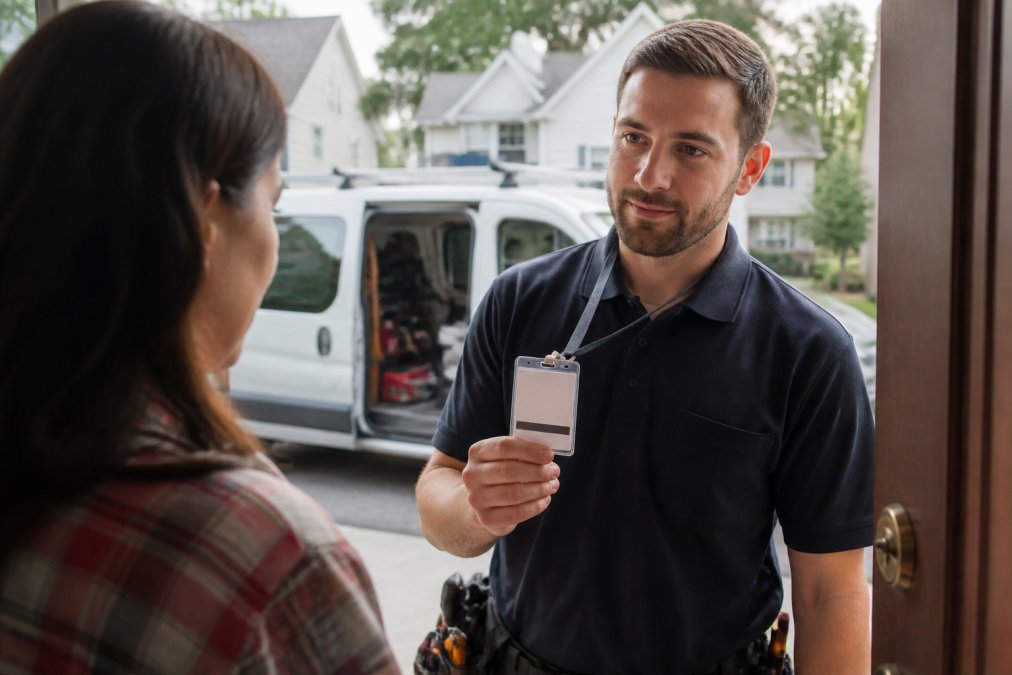
Residential and commercial lockouts are priced differently because the hardware and the stakes are different. A home lockout usually involves a single deadbolt or knob. A commercial lockout often involves master key systems, access control panels, or heavy-duty commercial hardware that takes longer to bypass without damage.
How to Avoid Locksmith Scams: Verify Credentials and Pricing
- Ask for the technician's name and license or certification number
- Confirm the company has a real local address, not just a call center
- Request the service call fee and labor rate in writing
- Ask whether the quote changes if the lock cannot be picked
- Decline any demand for cash-only payment on the spot
- Verify the license number against your state's licensing database, if one exists
- Confirm the vehicle matches the company name on the invoice
If you believe you were overcharged or misled, you can file a complaint with your state attorney general's consumer protection division and with the Federal Trade Commission. Keep your written quote, the final invoice, and any text or email messages, they are the evidence that makes a complaint actionable.
Insurance and Warranty Coverage for Locksmith Fees
Insurance rarely covers a routine lockout, but it can cover locksmith fees when the lockout results from a covered event. Most homeowners policies treat a simple forgotten-key lockout as a maintenance issue, not a claim. Where coverage does apply is after a burglary, vandalism, or storm damage that compromised your locks.
- Homeowners insurance: may cover lock replacement after a covered loss, rarely the lockout itself
- Auto warranty: may cover a failed key fob, usually not the programming labor
- Manufacturer warranty: covers defective hardware, seldom the trip charge
Payment Transparency and Invoice Breakdown
Billing transparency means your invoice itemizes every charge rather than presenting one lump sum. A fair invoice separates the service call fee, the labor rate, any after-hours surcharge, and the cost of parts.
| Invoice Line | What It Should Show |
|---|---|
| Service call fee | Flat trip charge, stated upfront |
| Labor rate | Hourly or flat, with time on site |
| After-hours surcharge | Percentage or flat, disclosed in advance |
| Parts | Itemized hardware with cost |
Frequently Asked Questions
What is a standard service call fee for a locksmith?
A standard locksmith service call fee typically covers the technician's travel to your location and an initial assessment. This fee varies based on distance, time of day, and the complexity of the lock. For emergency calls, expect a higher base fee than for scheduled appointments. Always ask for a breakdown of the service call fee, labor rate, and any additional charges before agreeing to service.
Why do emergency locksmiths charge more at night?
Emergency locksmiths charge more at night because they must dispatch a technician outside regular business hours, often incurring overtime labor costs and reduced availability. After-hours surcharges, weekend rates, and holiday premiums reflect the inconvenience and urgency. These rates compensate for the technician's time and the immediate response required. It's standard for after-hours locksmith rates to be higher than daytime calls.
Are there hidden fees in emergency locksmith services?
Reputable locksmiths provide upfront pricing, but some may add hidden fees for mileage, lock complexity, or parts. To avoid surprises, request a written estimate before work begins. Ask about trip charges, labor rates, and any additional costs for key extraction or lock replacement. Legitimate providers will itemize charges on your invoice, ensuring billing transparency.
How can I verify a locksmith's pricing before they arrive?
Verify pricing by asking for a flat rate or hourly rate quote over the phone, including any service call fee. Request the technician's license number and check for professional certification or membership in a locksmith association. A verified locksmith will offer an on-site estimate before starting work, so you can confirm costs.
A lockout is stressful enough without wondering whether the final bill is fair. Lock it All Locksmithing provides residential, commercial, and automotive locksmith services with clear communication on what each visit involves, from precise car key replacement to advanced key fob programming and professional remote start installation. If you want a straight answer on what your job requires, call 615-810-7304 and get started with a team that explains the cost before the work begins.
Why Nashville drivers choose Lock it All Locksmithing
We are a locally owned, licensed and insured mobile locksmith serving Nashville, Antioch, Brentwood, Franklin, Smyrna, La Vergne, Murfreesboro, Hermitage and Mt. Juliet. You speak directly with the technician who does the work, get an honest price before we dispatch, and we arrive in a fully stocked service vehicle so most jobs finish in a single visit — usually within 20 to 45 minutes of arriving. No towing, no dealership appointment, no surprise fees.
How the visit works
- Tell us the details: call, text or send the quote form with your vehicle's year, make and model, or a description of your lock problem.
- Get an exact price: we quote parts, cutting, programming and travel up front.
- We come to you: our mobile workshop meets you at home, work or roadside.
- Done on the spot: keys are cut, programmed and tested with you before we leave.
Areas we serve
Nashville, Antioch, Brentwood, Franklin, Smyrna, La Vergne, Murfreesboro, Hermitage and Mt. Juliet. If you're outside these areas, call 615-810-7304 to confirm whether we can help.
What our customers say
Best locksmith in town excellent service and great price !!
— Adrian Fiorito, 5 stars.Very wonderful service, strong quality, great prices, and it does not take long.
— George Yacoub, 5 stars.Great customer service - Professional - Fast Highly recommend.
— Jan Daoud, 5 stars.
Rated 5 stars across 100+ verified Google reviews. Call or text 615-810-7304 or email info@lia-locksmith.com.